All You Need Is An Idea!
Our skilled team is here to bring it to life.
Our skilled team is here to bring it to life.
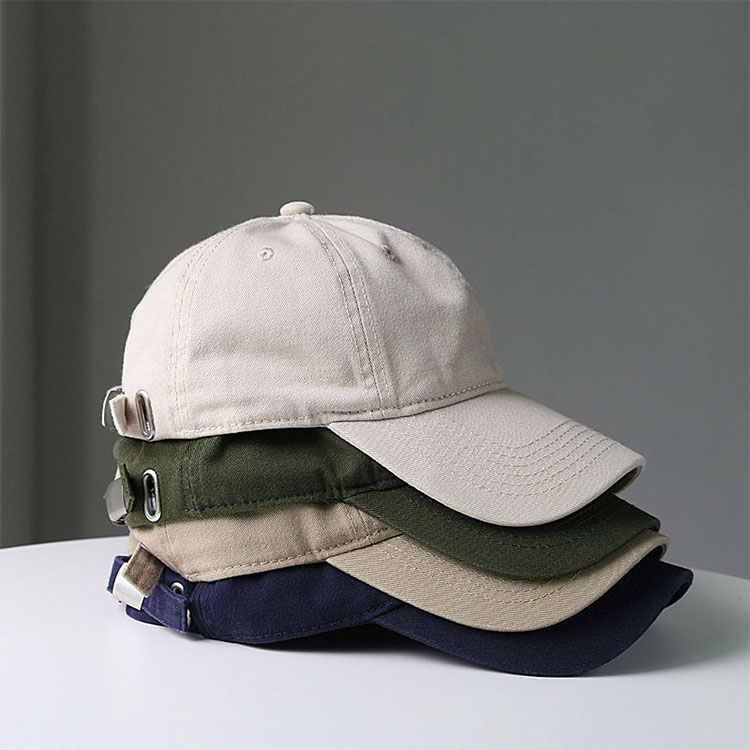
Most custom baseball caps do not fail because the logo looks bad. They fail because brands spec the decoration before they spec the product, ignore labeling and compliance, and confuse “promo” with “private label.”
Most brands drift.
They treat custom baseball caps like flat ad space, even though crown depth, panel structure, stitch density, fabric memory, visor curve, sweatband feel, and closure hardware decide whether the cap gets worn, reordered, or quietly buried in a giveaway drawer. Why are so many teams still acting shocked when the sample looks decent but the bulk run feels dead?
I’ll say the rude part first. The logo is rarely the first problem. The body is. And the numbers say this category is worth taking seriously: the 2024 PPAI Sales Volume Report put U.S. promotional-products distributor sales at $26.78 billion in 2024, said online sales were 25.5% of revenue, and specifically noted that caps and hats saw increased demand; meanwhile, Reuters reported in July 2024 that Etsy’s gifting GMS rose 4.1% year over year and active buyers reached 96.6 million, which is another way of saying buyers still respond to personalized physical goods when they feel owned, not generic.
So here’s my position. If you are ordering branded baseball caps or custom hats with logo and you still brief the factory with “make it premium,” you are not customizing a product. You are outsourcing a guess.
Three words matter.
Use case first.
If you cannot tell me whether the cap is for retail, field staff, golf, school merch, creator drops, hospitality, or a one-off event, then you are not ready to choose between a structured 6-panel, a softer dad cap, a performance shell, or a mesh-backed build, and you are definitely not ready to choose decoration. Why spec the embroidery before you even know who is supposed to wear the thing?
This site actually has the bones of the right process, and I would use that to shape the article’s internal path: start with design support for custom hats, move readers into what you need before starting a custom hat sample, then into custom hats and caps manufacturing and the complete custom hat process from sampling to shipment, and only then push them toward custom labels and packaging or the broader private label custom hats argument. That sequence matches how the site itself describes artwork intake, sample prep, production support, packaging, and private-label positioning.
Cheap caps lie.
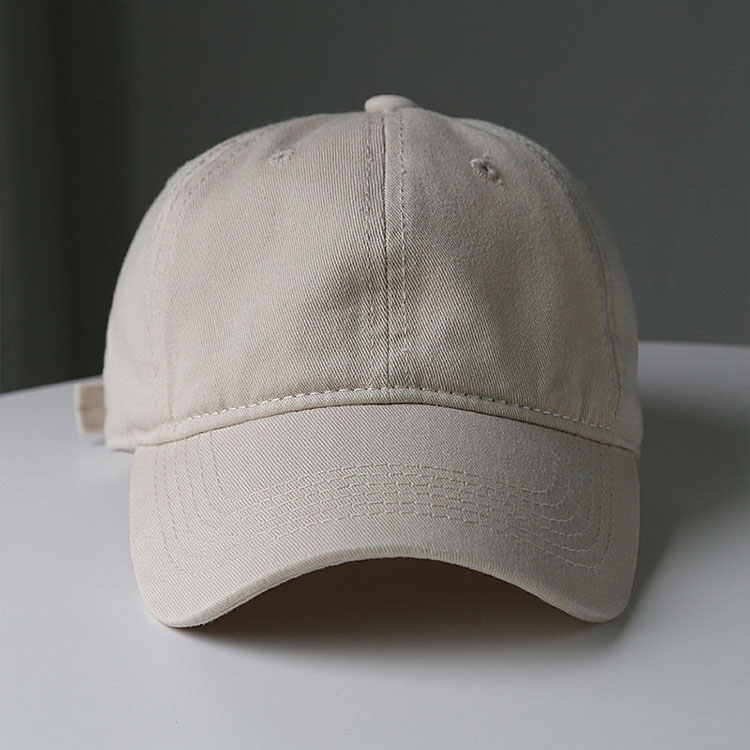
A low-cost cap can photograph cleanly in a mockup and still collapse the moment you hit it with dense front embroidery, especially if the front panel is too soft, the buckram is weak, or the fabric cannot hold stitch pressure without tunneling, puckering, or crown distortion. Why do buyers keep blaming embroidery digitizing when the real mistake was the cap body?
My rule is blunt: bold marks want structure, not hope. That usually means a firmer front panel for heavy embroidery, while washed or unstructured bodies work better when the branding is lighter, smaller, or patch-based. The site’s own pages push buyers to define silhouette, materials, logo method, and placement before sampling, which is exactly the order serious operators should follow.
This is the expensive list.
Not because the details are glamorous, but because each one quietly controls rework, wear rate, and reorder quality. Miss one, and your promotional baseball hats become the kind people accept politely and never wear twice.
| Overlooked detail | What brands usually say | What the factory actually needs | What goes wrong when it’s missed |
|---|---|---|---|
| Silhouette and profile | “A regular baseball cap” | 5-panel or 6-panel, structured or unstructured, low/mid/high profile | The cap feels wrong before the logo even matters |
| Fabric and hand feel | “Cotton is fine” | Cotton twill, brushed cotton, polyester, nylon, mesh, washed finish, recycled content if claimed | Heat, stiffness, shine, and wear comfort all miss the target |
| Decoration method | “Put our logo on it” | Flat embroidery, 3D puff, woven patch, TPU/PVC patch, screen print, transfer | Small details disappear, thick logos warp panels, cost jumps late |
| Placement specs | “Front logo, side logo” | Exact mm/inch width, height, offset, back arch size, underbill notes | The cap looks off-balance or unreadable at normal viewing distance |
| Closure and trim | “Standard back” | Snap, buckle, Velcro, strapback, eyelets, rope, seam tape, sweatband spec | The unit feels cheap, dated, or uncomfortable |
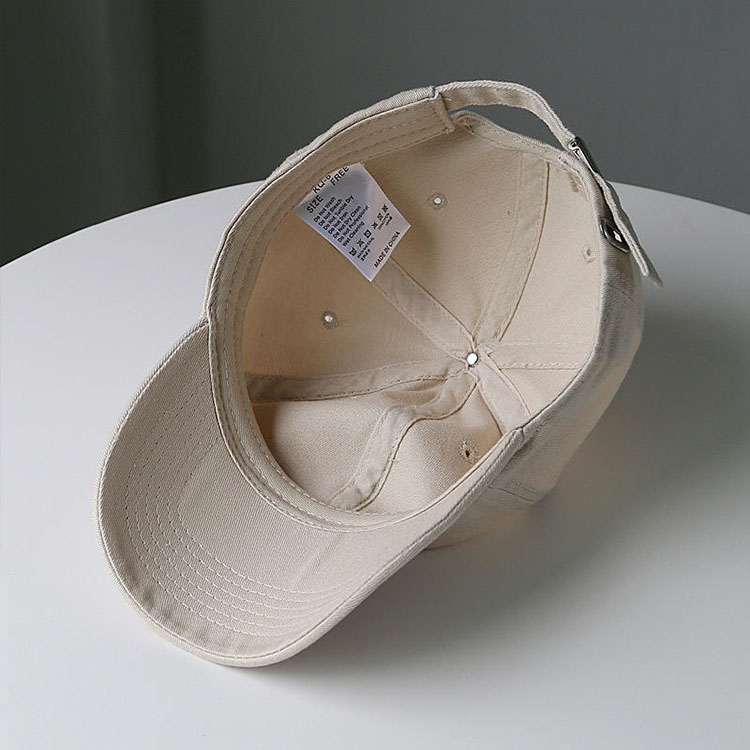
| Inside branding | “We’ll fix that later” | Woven label, size label, origin mark, hangtag, polybag, carton rules | The product looks unfinished and retail presentation falls apart |
| Approval rules | “Send photos first” | Revision limits, physical sample or photo sign-off, timeline, ship method | Endless loops, fake deadlines, surprise charges |
That table is not theory. It mirrors the site’s own production logic: editable files, material direction, decoration method, placement instructions, branding extras, and shipping decisions need to be fixed early, not dragged into the job one WhatsApp message at a time. If you’re asking how to design custom baseball caps without burning sample fees, that is the answer.
Keep it simpler.
Caps are curved, stitched, seamed, and seen at a distance, so the smartest choice is usually a stripped-down wordmark, monogram, symbol, or patch system that survives fabric texture, panel breaks, and motion rather than a tiny multicolor artwork file that looked pretty on a laptop. Is your logo built for a cap, or just copied onto one?
I have watched brands over-design the front and under-design the product for years. The strongest custom logo caps usually win through restraint: one readable front application, one secondary hit at most, and inside branding that makes the item feel owned. The site’s labeling page gets that part right by treating woven labels, size labels, care labels, hang tags, and branded packaging as identity infrastructure, not filler.
Legal still bites.
The dumbest line in this industry is “it’s just a sample.” It is not “just” anything once you place a protected mark, sports reference, mascot, or lookalike brand cue on goods you plan to sell, gift, or distribute as your own. Did anyone in the room actually clear the artwork?
That is not paranoia. It is current trademark reality. Reuters’ January 2024 analysis of the Supreme Court’s Jack Daniel’s decision explained that the heightened Rogers test does not apply where a trademark is used as a designation of source for the seller’s own goods; translated into plain English, if your cap is using someone else’s mark to sell your cap, the “parody” defense is a lot thinner than merch people like to pretend.
And compliance is not separate from branding. The CBP country-of-origin marking rule says imported foreign-origin articles generally must be marked conspicuously, legibly, indelibly, and permanently with the English name of the country of origin, while CBP’s May 2024 guidance reiterates that point in plain language. If your imported cap carries a U.S. brand story but the origin marking is sloppy, hidden, or inconsistent with packaging, that is not a cosmetic issue. That is a compliance issue.
It gets worse.
If you market youth caps, school caps, or anything aimed primarily at children 12 years old or younger, the CPSC tracking-label guidance says children’s products need permanent, distinguishing marks on the product and packaging, including manufacturer or private-label identity, production location and date, and batch or run information, to the extent practicable. So yes, if your “cute kids cap” strategy has no paperwork behind it, you are playing dress-up with a legal file.
And then there is sourcing.
A lot of brands want to say “sustainable,” “ethical,” or “responsibly sourced” because the sales page looks nicer that way, but the enforcement pressure is not imaginary: the 2024 DHS update on UFLPA strategy said CBP had examined more than 9,000 shipments valued at more than $3.4 billion since the law took effect, and Reuters reported in May 2024 that traces of banned Chinese cotton were found in 19% of a tested merchandise sample. If you sell imported embroidered baseball caps and never ask where the cotton twill, patch backing, or blended yarn originated, you are not managing risk. You are borrowing luck.
Most internal links wander.
This site does not need more random cross-links. It needs buyer sequencing, because the pages already suggest a clear mid-funnel structure: concept intake on Design Support, spec discipline on What You Need Before Starting a Custom Hat Sample, commercial product breadth on Custom Hats & Caps Manufacturer, process trust on The Complete Custom Hat Process From Sampling to Shipment, and brand-finish logic on Custom Labels & Packaging. Why send a reader from a top-of-funnel baseball-cap article straight to a contact form when the site has a better narrative available?
If I were running this site, I would use this exact H1 to bridge readers from vague “custom cap” intent into a sharper commercial path: body selection, decoration logic, sample prep, manufacturing workflow, then private-label finish. That is how you turn informational traffic into qualified inquiries without sounding desperate.
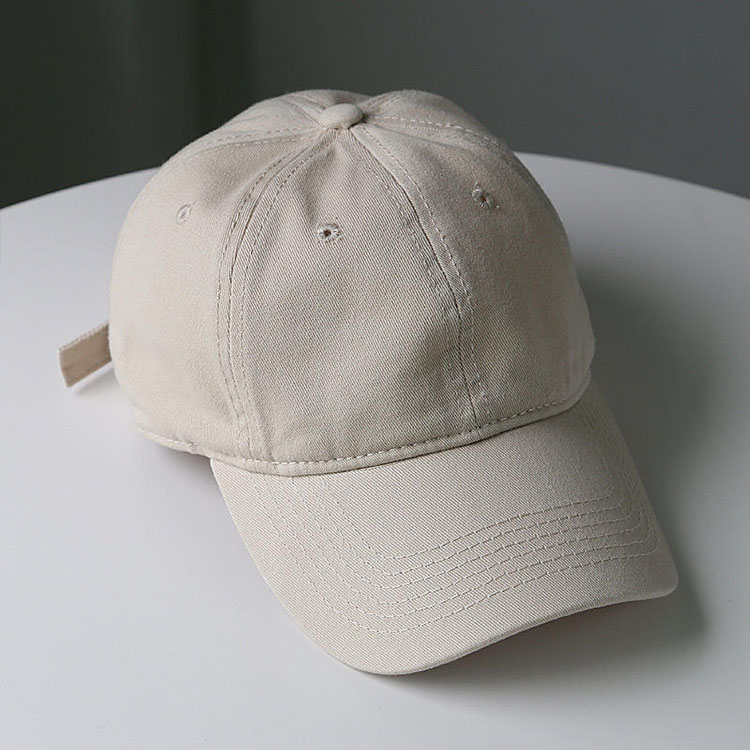
The most overlooked part of custom baseball caps is the written specification that fixes silhouette, fabric, crown structure, visor shape, closure, logo method, placement, labels, packaging, and approval rules before sampling, because those variables control fit, repeatability, unit cost, and reorder consistency more than the logo file alone.
I would go further: most brands do not have a cap brief. They have a logo and a mood. That is why so many first samples turn into paid revisions instead of approvals.
The best baseball caps for logo embroidery are usually structured styles with stable front panels—often firmer 6-panel builds, snapbacks, or strong performance caps—because they hold stitch density, protect edge clarity, and reduce the warping, tunneling, and wrinkling that softer unstructured crowns often create under dense embroidery or 3D puff.
That does not mean soft caps are bad. It means soft caps need lighter, smarter branding. A washed dad cap with a tiny tonal mark can beat a badly chosen heavy front embroidery every time.
A workable process for how to design custom baseball caps starts with use case, then silhouette, fabric, closure, logo method, exact placement, Pantone or thread standards, inside branding, packaging, and sample approval rules, because that order forces the factory to prototype a real product instead of guessing from vague art direction.
I do not trust any brief that starts with decoration. The product has to exist before the branding can sit on it properly.
The right answer to what to put on a branded baseball cap is a brand asset that survives curve, seam breaks, stitch limits, and distance—usually a simplified wordmark, icon, monogram, woven patch, or restrained side detail—rather than tiny multicolor artwork that only looked good on a screen and dies on fabric.
If the mark cannot be read at a glance, it is not brand building. It is thread consumption.
Yes, promotional baseball hats need legal and compliance review when they involve protected logos, sports references, youth positioning, recycled-content claims, or imported textile inputs, because trademark law, country-of-origin rules, children’s product labeling, and forced-labor enforcement can all turn a cheap merch run into a costly operational problem.
This is where amateur merch teams lose money. Not on the quote. On the thing they assumed nobody would check.
Stop buying caps like stickers.
Build one real brief for your next run of branded baseball caps: define the wearer, choose the body before the logo, lock the decoration method before sampling, decide what the inside branding must say, and clear the legal and sourcing file before anyone says “approved.” Then route the reader exactly where they should go next on this site: Design Support, Sample Prep, Manufacturing Workflow, and Custom Labels & Packaging. That is not overthinking. That is how grown-up brands order hats.

Copyright© 2026 Hat Manufacturer. All Rights Reserved.
