All You Need Is An Idea!
Our skilled team is here to bring it to life.
Our skilled team is here to bring it to life.
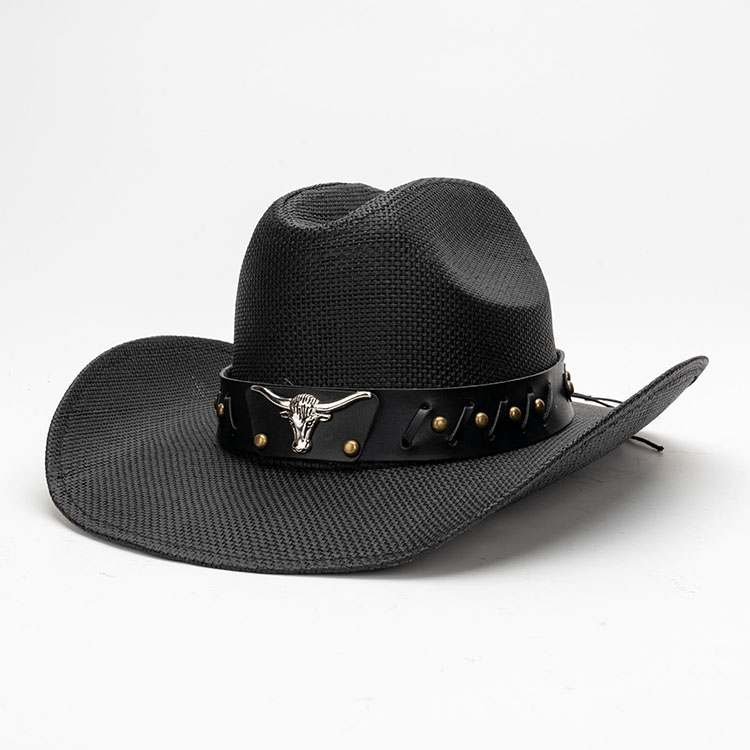
Most custom hat projects do not fail at sewing. They fail at translation, tolerance control, compliance, and freight timing. This guide breaks down the full custom hat production process with real-world data, sharper judgment, and the internal pages readers actually need next.
Most factories improvise. They improvise on artwork, material substitutions, embroidery density, fit tolerances, carton specs, and freight timing, and then they act shocked when a beautiful pre-production sample turns into a bulk run that feels cheaper, looks flatter, and lands later than the launch calendar could tolerate. What did you think would happen?
I’ll say the impolite part out loud: custom hats are not a creativity problem first. They are a control problem first. A smart reader should move from design support for custom hats into custom hat manufacturing services for private labels, then into quality control for bulk custom hats, private label labels and packaging, and packing and shipping coordination, because that is the real order of operations from concept to delivery on this site.
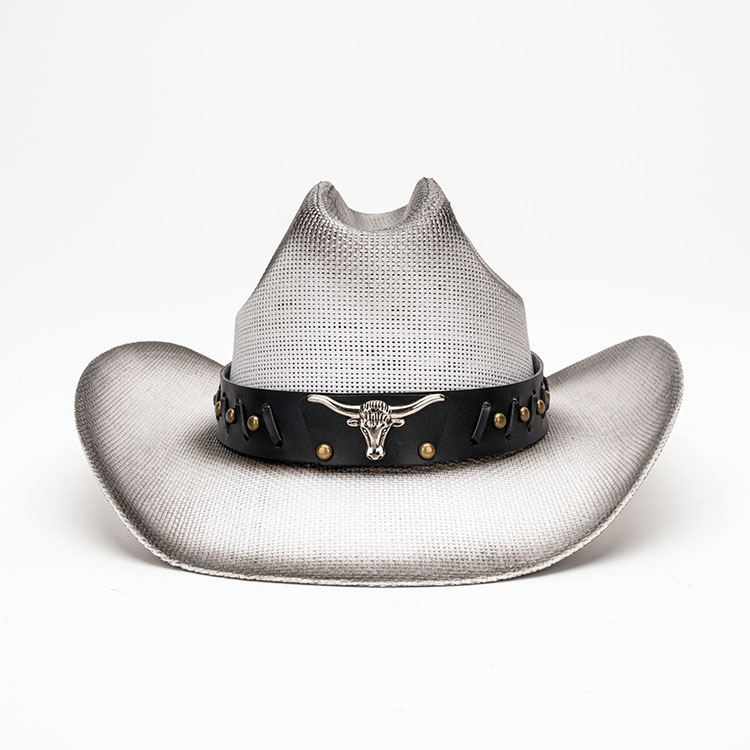
Bad briefs burn money. A factory can only build what the brief can hold, which means a serious custom hat manufacturing request starts with editable artwork, reference images or tech packs, logo placement notes, color direction, closure style, fabric choice, and clear expectations on size, profile, and finish instead of vague messages like “make it premium.”
The site’s own design support page asks for AI, EPS, PDF, or PSD files, plus sketches, mockups, tech packs, and clear placement instructions. Its fabric and craft pages also point buyers toward real decisions, not mood-board fluff: cotton, wool, polyester, denim, linen, leather or faux leather trims, plus closure choices like plastic snap, buckle, strap, Velcro, or closed back. That is how to make custom hats without manufacturing your own confusion.
I’ve seen this too many times. A buyer sends a low-resolution logo, says “same as last time,” forgets the crown height, changes from flat embroidery to 3D puff after the quote, and then blames the factory when the sample fee rises and the lead time stretches. Is that a production issue, or a discipline issue?
This is the process I would audit before approving any PO, and it matches the site’s own flow from design input to sampling, bulk production, QC, and shipment.
| Stage | What must be locked | What I check first | What usually goes wrong |
|---|---|---|---|
| Inquiry | silhouette, fabric, closure, logo method, target quantity | editable files, Pantone direction, size notes | vague artwork and missing specs |
| Sampling | material, shape, embroidery, fit, label placement | physical hand feel, stitch density, crown profile | photo approval without measurements |
| Bulk Production | approved sample, BOM, tolerances, carton plan | inline QC, replacement risk, consistency | unauthorized material or trim swaps |
| Labeling & Packaging | woven label, care label, hang tag, outer carton, barcode | placement, spelling, durability, branding accuracy | treating packaging as an afterthought |
| Shipment | Incoterm, route, booking window, document set | express vs air vs sea, launch date, total landed risk | late booking, wrong cartons, surprise freight cost |
Samples lie. A sample can be photogenic and still be useless, because the point of the hat sampling process is not to impress you on WhatsApp; it is to prove the factory can repeat the exact crown shape, brim curve, fabric hand, thread color, closure function, logo placement, and label construction at scale. Why do so many buyers forget that?
The site gets this mostly right. It frames sampling as a review stage for design, materials, and workmanship before bulk production, and its hat factory page breaks the process into design, sample, sewing, trimming, custom logo, inspection, and packaging rather than pretending custom embroidered hats magically appear after an inquiry.
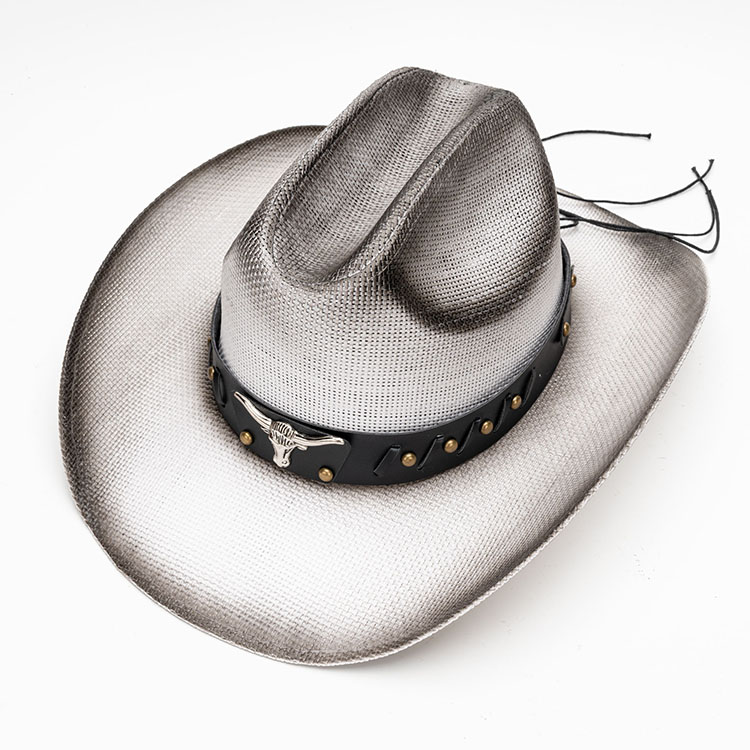
My rule is simple: if the hat has 3D puff embroidery, a structured crown, a contrast undervisor, a woven label, or a fabric with unstable color behavior, I want a physical sample, not just photos. A photo cannot tell me if the buckram is too soft, the sweatband feels cheap, the brim board is weak, or the back strap scratches skin.
And the compliance piece belongs here, not at the port. In Reuters’ September 2023 investigation into banned Xinjiang cotton, documents obtained under FOIA showed that 10 of 37 garments collected by U.S. Customs in May were consistent with Xinjiang cotton, while 13 of 86 total tests were consistent overall. If your custom hat production process never asks where cotton twill, patch backing, sweatband fabric, or blended yarn actually came from, you are not managing risk; you are outsourcing it to luck.
The pressure is getting tighter, not looser. Reuters Legal reported in September 2024 that CBP had reviewed more than 9,000 shipments valued above $3.5 billion since 2022, and noted a June 2024 UK Court of Appeal ruling that made the National Crime Agency’s non-investigation into forced-labor-linked cotton goods unlawful. That is a hard truth for every private label hat manufacturer selling into regulated markets: “finished in another country” is not a shield if upstream inputs are dirty.
Bulk production punishes vanity. Everyone loves discussing logo size and side embroidery placement, but the margin usually dies somewhere much duller: weak fabric inspection, missed measurement drift, sloppy closures, mixed cartons, or label errors that should have been caught before the final seal. Sound familiar?
The site’s quality control for bulk custom hats page is more useful than most factory marketing because it actually outlines a five-step sequence: fabric or material inspection, visual inspection, measurement check, functionality testing, and packaging or label review. It even references a four-point inspection method for fabric defects and checks details like brim width, crown height, head circumference, closures, straps, buckles, eyelets, and final packing instructions. That is the kind of boring detail I trust.
I trust measurement sheets more than promises. If you are buying bulk custom hats, write tolerances into the approval pack, especially for crown height, panel symmetry, brim curvature, and closure assembly, because “looks okay” is not a production standard. It is how one clean salesman sample becomes 1,200 slightly different hats.
CBP’s official UFLPA statistics page should sober up anyone who still thinks compliance is just legal department theater. The agency’s dashboard guidance says that, with FY2024 filters set for textiles and apparel, CBP stopped 326 shipments valued at about $104.98 million. That is not noise. That is the cost of weak upstream verification showing up downstream where it hurts.
Branding gets expensive late. A lot of custom hat buyers obsess over front-logo embroidery and barely think about inside branding, care labels, hang tags, barcodes, polybags, master cartons, or whether their “eco” claim can survive a basic buyer audit. Why leave the fragile parts to the end?
The private label labels and packaging page is exactly the kind of internal link this article should feed, because it covers woven labels, size labels, care labels, hang tags, and branded packaging as tools for consistency, compliance, and repeat recognition, not just decoration. And the site’s sustainable fabric options for custom hats page goes further by naming GRS-certified options plus recycled polyester, recycled nylon, recycled cotton, and organic cotton, which matters if the sales team plans to use sustainability language in product pages or wholesale decks.
Here is my unpopular opinion: packaging is part of product quality. If the embroidery survives but the shape collapses in transit, the customer does not care that your stitch count was perfect. If the woven label says one fiber composition and the packing list says another, the problem is no longer aesthetic. It is operational.
Shipment is not the epilogue. In real custom hat production, shipment is a live variable with cost, timing, carton integrity, customs exposure, and launch-date consequences, which is why smart factories define whether the order moves by express, air, or sea before the last carton is taped. Didn’t your last “small delay” turn into a missed drop?
The site’s packing page is aligned with that reality. It distinguishes standard packing from custom packing, and it separates express shipping for samples or urgent smaller orders from sea freight for larger volume orders and air shipping for the speed-versus-cost middle ground. That is the right framework for custom hats from sample to shipment, because the shipping method should match the commercial purpose of the order, not somebody’s mood on booking day.
And freight volatility is not theoretical. In Reuters’ January 2024 report on Red Sea freight spikes, Asia-to-North Europe rates climbed above $4,000 per 40-foot container and some Mediterranean quotes went above $6,000 before surcharges. In later Reuters reporting on January 12, 2024, rerouting around Africa was estimated to add roughly 10 days and about $1 million in fuel cost to a one-way Asia-Europe voyage. That is why I laugh when someone tells me shipping can be “figured out later.”
If you want the blunt version, here it is: the complete custom hat process is not inquiry, then sample, then bulk, then shipment. It is specification, verification, repetition, and risk control at every stage. Miss one, and the later stages get expensive fast.
A normal custom hat manufacturing timeline includes an inquiry and spec-confirmation phase, a sampling phase to validate fit, materials, and branding, a bulk production phase after approval, and a shipping phase chosen by urgency and order size; actual timing depends on artwork readiness, fabric availability, order volume, inspection depth, and freight method. The fastest projects are usually the ones with the fewest unresolved decisions, not the ones with the loudest deadline.
The right starter pack is a complete design file set that includes editable logo artwork, reference images or a tech pack, placement notes, color direction, and any details on fabric, closure, labels, patches, embroidery, or packaging so the factory can quote, sample, and produce against one consistent standard. If you only send a JPEG and a voice note, expect the sample round to become a guessing game.
A sample fee is the upfront cost of turning a design concept into a buildable, reviewable product by covering development work such as pattern setup, material preparation, logo testing, patch or trim setup, labor, and revision handling before the order becomes repeatable at bulk scale. Good buyers do not fight this fee blindly; they use the sample to eliminate bigger losses later.
The best shipping method for bulk custom hats is the one that matches the commercial purpose of the order, with express usually reserved for samples and urgent small runs, air used when speed still matters but cost cannot explode, and sea freight favored for larger-volume orders with longer selling windows. The wrong choice is usually made when nobody works backward from the actual launch date.
Start tighter. Send one clean brief with your silhouette, fabric, closure, Pantone direction, logo method, label plan, packaging requirements, target quantity, and delivery window, then insist on a sample that proves repeatability instead of a photo that flatters the design.
If you want this page to pull readers deeper into the site and convert better, route them naturally into design support for custom hats, custom hat manufacturing services for private labels, quality control for bulk custom hats, private label labels and packaging, packing and shipping coordination, and sustainable fabric options for custom hats. That internal path does not just help SEO. It mirrors the real decision path buyers follow when they are serious about custom hats.
If you want, I can also turn this into a sharper “money page” version optimized for ranking and conversions, with a tighter intro, FAQ schema targets, and cleaner internal-anchor distribution.
Copyright© 2026 Hat Manufacturer. All Rights Reserved.
