All You Need Is An Idea!
Our skilled team is here to bring it to life.
Our skilled team is here to bring it to life.

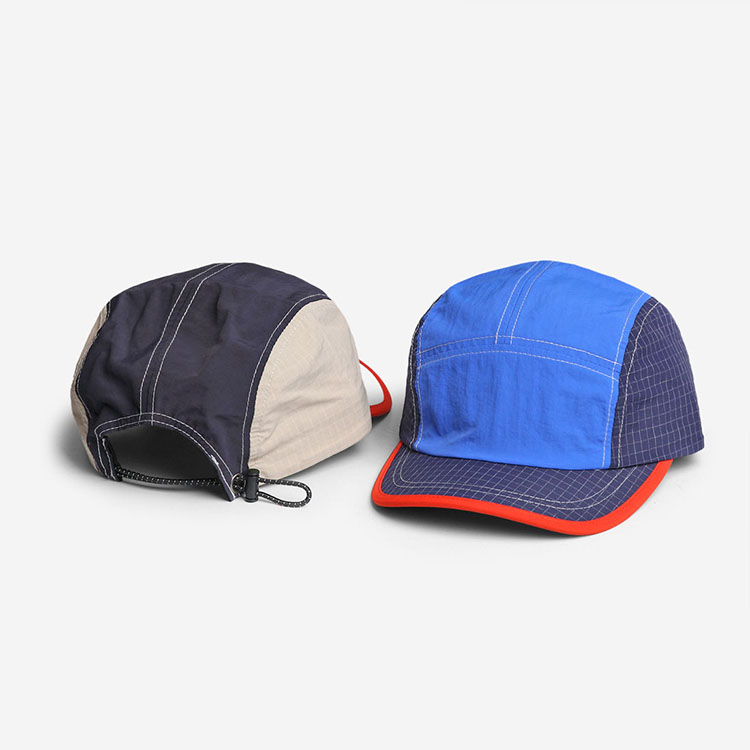
Most hats fail in summer for a simple reason: they are built to look substantial, not to perform in heat. I break down why lightweight hats, breathable summer hats, and moisture-wicking performance caps win in sports and seasonal collections, using hard data, field logic, and a smarter internal-link structure for custom headwear buyers.
Heat wins.
Once summer temperatures rise, and once training blocks move outdoors, and once buyers start comparing a cap they will wear for twenty sweaty minutes with one they can wear for three hours without wanting to throw it into a gym bag, the argument for lightweight hats stops being aesthetic and becomes brutally practical. Why would any serious brand keep treating headwear like dead inventory wrapped around a forehead?
I’ll put it plainly: heavy hats are often showroom products, not field products. They feel “premium” on a table because density tricks the hand, but in real use they trap heat, slow drying, and turn even decent designs into low-repeat purchases. That is exactly why lightweight hats keep outperforming overbuilt styles in both sports and summer collections.
The macro picture is already ugly enough. NOAA reported that 2024 was the warmest year on record globally, at 1.29°C above the 20th-century average, and Reuters reported that athletes heading into Paris 2024 were already treating heat management as a performance issue, not a comfort issue. That matters for product planning. If the environment is getting hotter and sport is getting less forgiving, lightweight hats are not a niche preference; they are basic equipment logic.
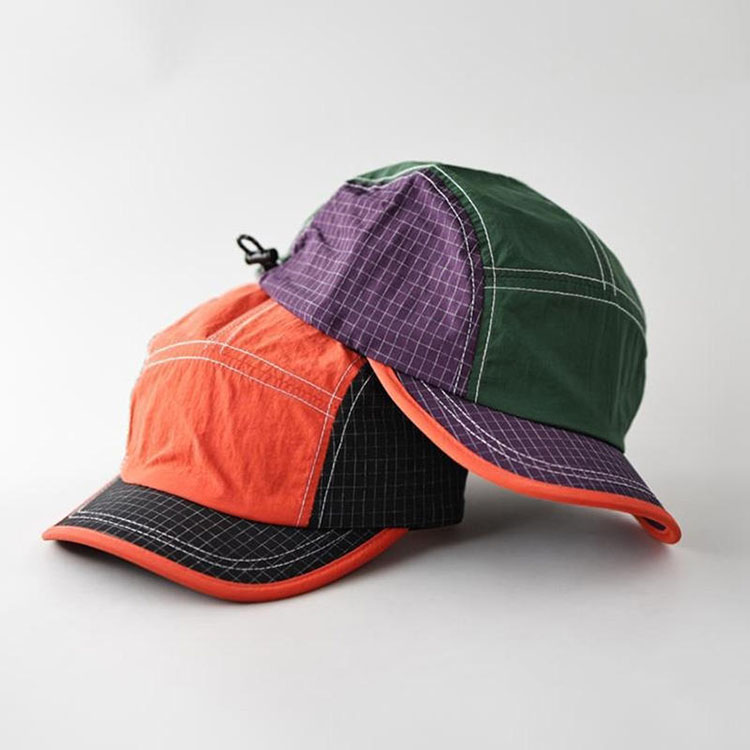
Sweat has a job.
The whole point of breathable summer hats and moisture-wicking hats is not marketing poetry; it is to let the body dump heat faster by moving sweat away from the skin, keeping airflow alive around the crown, and avoiding the soggy dead zone that heavy, overly structured caps create once the headband saturates. Have you ever seen a runner, coach, grounds crew worker, or event staffer choose a hotter cap on purpose?
That logic is backed by actual guidance and actual research. The CDC Yellow Book recommends lightweight, loose, light-colored clothing for evaporation and adds that a wide-brimmed hat can markedly reduce radiant heat exposure; separately, a sports clothing review indexed by NIH notes that lightweight, breathable fabrics are designed to improve sweat evaporation and comfort, with studies showing superior air permeability can increase sweat evaporation. Lightweight performance caps work for the same reason. They stop fighting the body’s cooling system.
Not all hats.
A lot of brands make a lazy mistake here: they assume any cap counts as sun protection, when in fact UV protection summer hats depend on brim geometry, fabric density, coverage, and whether the design leaves the ears and neck exposed while the buyer thinks they are protected. Isn’t that how bad product assumptions get expensive?
The CDC’s sun-exposure guidance says a hat with a circumferential brim of at least 3 inches, or about 75 mm, is the better standard and explicitly says not to rely on standard baseball caps. A PubMed-indexed study found that, on a cloudless summer day, a wide-brimmed hat produced the lowest mean UVR dose to the face at 1.7 SED, while no hat style delivered complete protection. My view? Sports sun hats and lightweight bucket profiles are underrated, while the average heavy baseball cap is overrated for true summer exposure.
That is it.
The industry loves talking about spec sheets, but the real commercial variable is compliance: do people keep the hat on, or do they peel it off after 18 minutes because it feels hot, stiff, or wet? If wear time collapses, what exactly did the product achieve?
That is why the best lightweight hats for summer are usually the ones that combine low-mass fabric, reasonable brim protection, quick-drying sweat management, and softer structure. I have seen too many teams overbuild crown stiffness because they were chasing a shelf silhouette, only to learn that summer buyers reward wearability first and brand story second.
I’ve watched this happen.
A buyer asks for lightweight sports hats, then approves a dense brushed twill shell, a thick buckram front, an absorbent but slow-drying sweatband, a decorative patch that adds heat and stiffness, and packaging that crushes ventilation back out of the crown. Then everyone acts surprised when the sample looks better than it wears. Why are we still pretending “lightweight” means nothing more than “not wool”?
The smarter route on this site is already sitting in plain view. The custom hats and caps manufacturing service establishes the main style families for baseball caps, truckers, bucket hats, snapbacks, dad caps, and kids’ styles; the design support for custom hats page asks buyers for AI, EPS, PDF, or PSD artwork plus placement notes; and the custom fabric and crafts guide already frames polyester as performance-friendly and linen as a warm-weather option. That is the buyer journey I would use, because it follows how real product decisions get made: silhouette first, material second, branding method third.
And I would go further. If you are building breathable summer hats for retail or events, you should connect those pages to private label labels and packaging options and the quality control process for bulk hats, because summer products live or die on details buyers notice immediately: sweatband finish, brim symmetry, embroidery density, patch edge quality, measurement consistency, and how the product looks after transit. Lightweight hats do not get a free pass on execution. In fact, because they feel simpler, defects show faster.
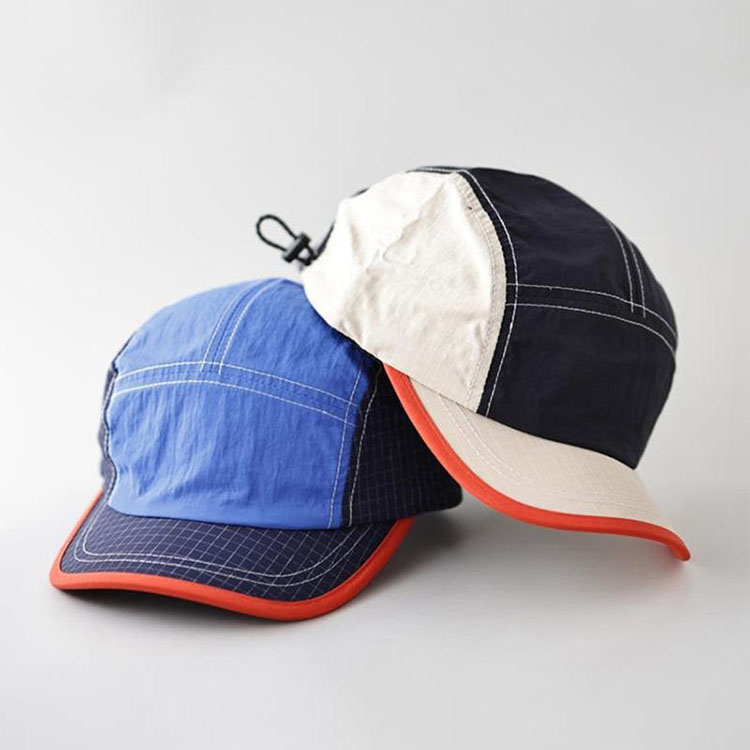
| Use case | Winning lightweight setup | Why it works | What I would avoid |
|---|---|---|---|
| Team training cap | Perforated polyester or light nylon, moisture-wicking band, low-profile structure | Faster drying, less heat buildup, easier repeat wear | Thick front buckram, heavy patch, dark absorbent lining |
| Summer brand drop | Cotton-linen blend or washed lightweight cotton, soft crown, moderate brim | Better hand feel, easier styling, less “promo item” energy | Overly rigid crown, bulky leather patch, hot inner taping |
| Sports sun hat | Lightweight bucket or wide-brim style with UPF fabric and ventilation | Better face and neck coverage, stronger all-day wear logic | Standard baseball cap sold as full UV solution |
| Event merch cap | Light twill or mesh-back hybrid, simple embroidery, adjustable closure | Lower cost without feeling disposable | Dense foam fronts, oversized front decoration, poor airflow |
Here is the hard truth I wish more brands admitted: summer collections do not need more ornament; they need less friction. A lightweight hat that dries fast, shields enough sun, packs cleanly, and survives repeated wear will outsell a heavier “premium” cap that photographs well on launch day and then disappears into glove compartments by week two.
For once, the overlap is real.
The sports customer wants performance, the summer customer wants relief, and the retail buyer wants broader sell-through across outdoor, travel, event, and casual channels, which means all three are quietly converging on the same product attributes: lower weight, better airflow, faster drying, and smarter sun coverage. Why keep separating these audiences when the product logic has already merged?
This is where internal linking should stop being decorative and start doing work. A reader thinking about lightweight performance caps should naturally move from the educational article into the baseball hats collection if they want classic cap forms, or into the bucket hats collection if they care more about sports sun hats and broader UV coverage. Those are not random links. They match the exact fork in buyer intent.
There is also a legal-and-health reason not to treat this lightly. CDC data says nearly 6 million people in the United States are treated for skin cancer each year, with annual medical costs of $8.9 billion, and the agency’s sun-safety guidance is explicit that full-brim hats protect more of the face, ears, and neck than standard baseball caps. So no, “summer hat” is not just a styling tag. It is product function with real consequences.
I would keep it disciplined.
For “lightweight hats” as the core term, I would build one commercial-education pillar around why lower mass, airflow, sweat management, and UV design drive summer performance; I would support it with narrower pieces on lightweight sports hats, breathable summer hats, and how to choose lightweight hats for sports; and I would route high-intent readers into service pages only after the article has earned that click. Why rush the sale before the logic lands?
My own bias is simple. I would rather sell a lighter cap that gets worn 40 times than a heavier cap that gets admired twice. In this category, repeat wear is the only applause that counts.
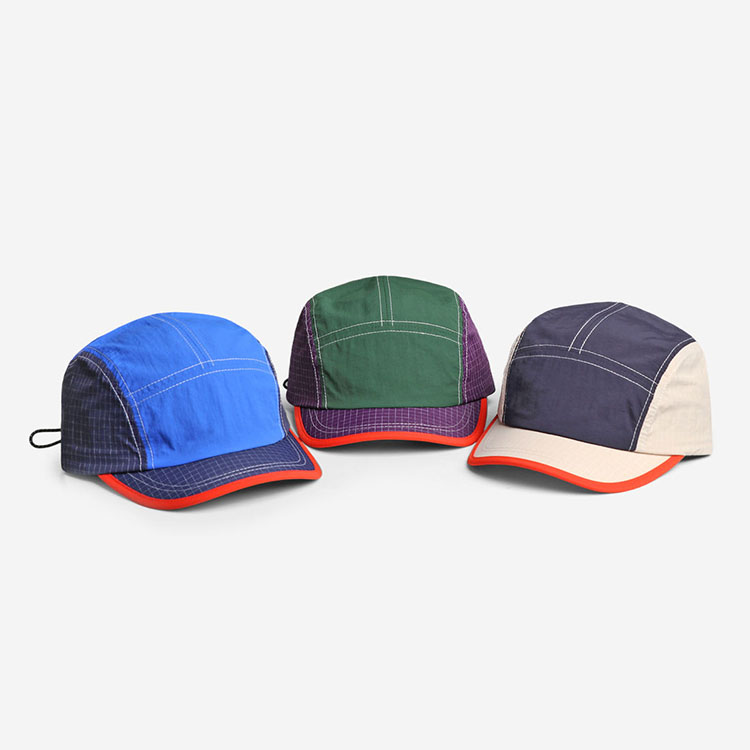
Lightweight hats are headwear styles built with lower-mass fabrics, reduced structural bulk, quicker-drying sweat management, and simpler trims so the wearer gets shade, airflow, and comfort in hot conditions without the dense, heat-trapping feel that heavier caps often create. They work best when “lightweight” refers to total system weight, not just fabric alone.
That is why I look at the whole build: shell fabric, sweatband, crown structure, patch method, closure, and even packing pressure.
Lightweight hats can provide effective summer UV protection when they combine tightly woven or UPF-rated fabrics with enough brim coverage to shade the face, ears, and neck, but lightweight construction by itself does not guarantee serious sun protection and standard baseball caps leave obvious exposure gaps. That is the part lazy product pages often bury.
If UV protection is a real selling point, be honest about geometry. A sports sun hat or bucket style usually tells a stronger story than a basic curved-brim cap.
The best lightweight hat for summer sports is a low-bulk, breathable, fast-drying style that balances sweat control, secure fit, and practical sun coverage, usually through perforated synthetics, moisture-wicking bands, and a brim shape matched to the activity rather than a one-size-fits-all fashion silhouette. I would choose by use case, not by trend.
Running, golf, field work, tennis, and event staffing do not ask the same thing from a hat, and pretending they do is how mediocre product gets approved.
Choosing lightweight hats for sports and summer collections means matching the hat’s fabric weight, airflow, brim coverage, logo method, and fit system to the actual heat, movement level, and wear duration expected in the target market, while also checking whether the product still holds its shape and branding after sweat, packing, and repeat use. That is the selection frame I trust.
Start with function, then let aesthetics ride shotgun. Never do it the other way around.
Moisture-wicking hats are generally better than traditional all-cotton caps for high-heat or high-output use because they move sweat, dry faster, and reduce that heavy, damp feeling that makes wearers take the hat off early, while traditional cotton caps still make sense for softer lifestyle positioning and lower-intensity summer wear. The answer is context, not ideology.
I like cotton for relaxed retail. I like technical builds for actual sweat.
If you are planning a sports line or a summer collection, stop asking whether the hat looks premium and start asking whether it wears cold, dries fast, and protects honestly. Then build the internal path the buyer actually needs: begin with the custom hats and caps manufacturing service, tighten the brief through design support for custom hats, lock fabric choices on the custom fabric and crafts guide, and finish with private label labels and packaging options plus the quality control process for bulk hats. That sequence will save more margin than another mood board ever will.

Copyright© 2026 Hat Manufacturer. All Rights Reserved.
