All You Need Is An Idea!
Our skilled team is here to bring it to life.
Our skilled team is here to bring it to life.
I’ve seen too many factories call a final inspection “quality control.” That is fantasy. This guide explains what a hat factory quality control process should include, with real 2024 evidence on failed audits, recalls, counterfeits, and the release gates I would actually trust.
Five steps? Fine.
I’ve worked around enough production rooms to know that a “quality control process” often means somebody standing at the end of the line with a pen, circling defects after the fabric is cut, the embroidery is stitched, the labels are attached, and the margin is already bleeding out through rework, chargebacks, and replacement freight. Does that sound like control to you?
The hard truth is this: a hat factory quality control process is not a single inspection. It is a chain of release gates. It starts before fabric is cut, it keeps running while the line is moving, and it does not end until the last carton count, barcode, size ratio, and shipping mark is verified. That broader flow already fits the structure of this site, especially when readers move between design support before sampling, fabric and craft selection, the hat and cap factory workflow, custom hats and caps manufacturing support, custom labels and packaging requirements, and packing and shipping checks.
I’ll say it bluntly: inspection without authority is theater. Reuters showed that Dior’s Italian supply chain still produced audit passes in 2023 even though prosecutors later alleged exploitative subcontracting and ineffective oversight in 2024, which is exactly why any serious hat manufacturing quality assurance system needs supplier mapping, subcontractor disclosure, unannounced checks, and documentary verification instead of staged factory tours and polished conference-room samples. Reuters investigation into Dior’s failed supplier audits
And that is not a luxury-only problem. It is a factory-control problem. When a factory says, “We checked the goods before shipment,” I immediately want to know who approved the pre-production sample, who signed off the BOM, who verified the closure hardware lot, who checked embroidery placement at line start, who owned the corrective action, and who had the power to stop the line. If nobody can answer that in under 60 seconds, the process is weak.
A real quality control process includes documented approvals, measurable tolerances, lot segregation, escalation rules, and shipment-release authority. Anything softer than that is just optimism with clipboards.
Before bulk starts, I want one approved sample, one approved spec pack, one approved BOM, one approved artwork file, and one approved packing standard. No duplicates. No “latest version in WeChat.” No production supervisor guessing whether the crown height should be 11.5 cm or 12 cm.
This is where design support before sampling should stop being a sales promise and start behaving like a control gate. I want logo size in millimeters, embroidery stitch direction, patch material, sweatband composition, closure type, eyelet count, brim curve standard, carton assortment, and label copy frozen before bulk fabric is released. The site’s own quality control page and fabric and craft selection page point in the right direction, but in practice the difference between “we discussed it” and “we approved it” is where most factory pain begins.
I do not trust bulk quality if the factory only inspects finished hats. That is backwards. I want fabric rolls checked for shade variation, width, skew, bow, handfeel, contamination, and lot consistency before cutting. I want sweatband foam density checked, buckles checked for plating defects and burrs, snaps checked for pressure consistency, and woven labels checked against approved artwork.
The current quality control overview mentions a four-point fabric inspection method, and that is a decent starting point, but hats fail just as often on trims and details as they do on shell fabric. A zinc-alloy buckle with rough edges, a PVC patch with weak adhesion, or a sweatband that bleeds under perspiration can turn a “passed” order into a return wave fast.
This matters more.
I want the first approved unit from each line, each style, and each colorway sealed at the workstation, then used as the live reference for inline checks every 30 to 60 minutes. Why? Because the most expensive defects are not final defects. They are repeated defects.
If crown panels drift by 2 to 3 mm at setup, if top buttons are off-center, if the front embroidery sinks because the buckram is wrong, or if the brim curve shifts after steaming, a final inspection does not save you. It only counts the damage. So I insist on an inline defect board, hourly measurement logs, line-specific CAPA notes, and immediate quarantine of suspect WIP instead of letting bad units flow downstream.
A hat inspection checklist that ignores function is amateur work. I want circumference checked against size spec, brim width verified, crown height measured, sweatband joining seam reviewed, visor symmetry confirmed, and closures opened and closed repeatedly to catch slippage, broken teeth, weak hook-and-loop, or buckle deformation.
And when the product touches children or sits near outerwear territory, compliance stops being optional. The U.S. Consumer Product Safety Commission says hood and neck drawstrings on children’s upper outerwear in sizes 2T to 12 are a substantial product hazard, and it also limits certain waist and bottom drawstrings to 3 inches outside the channel when expanded. That is the kind of rule a lazy factory misses until a buyer or regulator finds it first.
This is where I see the most self-deception. Factories love to talk about workmanship because workmanship is visible. Compliance is less photogenic, so it gets postponed. Bad move.
For U.S.-bound products, general wearing apparel still sits under 16 CFR Part 1610, which exists to keep dangerously flammable textiles out of commerce. CPSC also publishes testing guidance reminding manufacturers to verify flammability performance after production, not just at concept stage. 16 CFR Part 1610 and the CPSC clothing flammability testing manual are not bedtime reading, but they are better than a recall notice.
Need proof that weak compliance control gets expensive? In July 2024, CPSC recalled about 45,300 children’s pajama sets sold on Temu because they violated flammability standards and posed burn risks. Different product, same lesson: if a factory treats regulatory screening as paperwork instead of process, the bill comes later.
Now we talk numbers. I would not release bulk hats without a final random inspection tied to a written acceptance plan. For standard retail orders, I usually like tighter control on major defects than many factories are comfortable with, because logo position, panel mismatch, broken closures, skewed labels, and incorrect carton assortments are not “small” once they hit a warehouse.
My default habit is simple: define critical defects as zero tolerance, hold major defects to a stricter AQL, and document minor defects separately so they do not camouflage real risk. And yes, for hats, I treat branding errors, size mislabels, hardware failure, and carton count mismatch as major even when factories try to bury them in the minor column. Why wouldn’t I?
This is the step factories underestimate.
The site already has a custom labels and packaging page and a packing and shipping guide, and that pairing is exactly right because packaging is part of product quality, not a warehouse afterthought. I want barcode readability, size-ratio accuracy, PO number verification, carton dimensions, inner-pack quantity, assortment mix, export marks, and seal integrity all checked before loading. A beautiful hat packed into the wrong carton is still a failed order.
Here is the release matrix I would make every factory live by:
| Control Gate | What must be checked | Typical hold trigger | Evidence I expect |
|---|---|---|---|
| Pre-production approval | PPS sample, BOM, artwork, measurement sheet, packaging spec | Sample not signed, conflicting files, missing tolerances | Signed approval pack |
| Incoming materials | Fabric shade, width, skew, trims, labels, closures | Mixed lots, shade mismatch, rust, wrong label copy | Incoming inspection report |
| First-piece approval | Embroidery position, seam quality, brim shape, closure setup | Logo off-center, panel drift, distorted crown | Sealed first-piece sample |
| Inline inspection | Hourly workmanship and measurement checks | Repeated stitch defects, puckering, misaligned patches | Inline QC log + CAPA |
| Compliance gate | Flammability, kids’ safety details, labeling accuracy | Missing reports, prohibited features, wrong market labeling | Test reports + compliance file |
| Final random inspection | AQL sample, appearance, function, measurements | Major defects above threshold, mixed sizes, wrong color assortment | Final inspection report |
| Packing and shipment release | Barcode, carton marks, ratio pack, count, master carton quality | Wrong assortment, count error, damaged cartons | Packing list + loading sign-off |
Ignore this at your own cost.
CPSC’s FY2024 annual report says the agency completed 333 cooperative recalls, and that alone should kill the fantasy that defects are rare enough to manage with vibes and verbal promises. In the same report, CPSC also noted that 166 of those recalls moved through its Fast-Track program, which tells me one thing: once a product problem surfaces, the clock moves faster than most factories can think.
Then there is the counterfeit side, which too many factories pretend is a brand problem rather than a factory problem. In December 2024, CBP warned holiday shoppers that in FY2024 it seized more than 32 million counterfeit items worth more than $5.4 billion if genuine. The official FY2024 seizure statistics also put apparel/accessories exposure at $178,985,556 by manufacturer’s suggested retail price. If your factory does not control labels, packaging, artwork files, and carton traceability, you are not just risking defects. You are weakening brand protection.
And I would not shrug off digital channels either. Reuters reported in May 2024 that livestream shopping makes counterfeit enforcement harder, while Amazon said it identified and seized 7 million counterfeit products globally in 2023, up from 6 million in 2022. That matters because bad factory data does not stay inside the factory anymore; it spills into marketplaces, live shopping, returns dashboards, and brand trust.
Three words. Logo drift first.
Not because crooked embroidery is the most dangerous defect, but because it is the fastest way to make an order unsellable, and once it spreads across 8,000 units in navy, black, khaki, and forest green, nobody cares that the stitching density was technically acceptable on the seam under the sweatband. Should a buyer really absorb that because the factory caught it “at the end”?
After logo drift, I watch size mislabeling, closure failure, shade inconsistency, brim asymmetry, needle damage, carton assortment errors, and moisture-related carton weakness. That is my real hat inspection checklist. Not pretty. Not academic. Profitable.
If you want a clean mental model, here it is: a good quality control process blocks defects before cutting, during sewing, before packing, and before shipment. A bad one counts them at the dock.
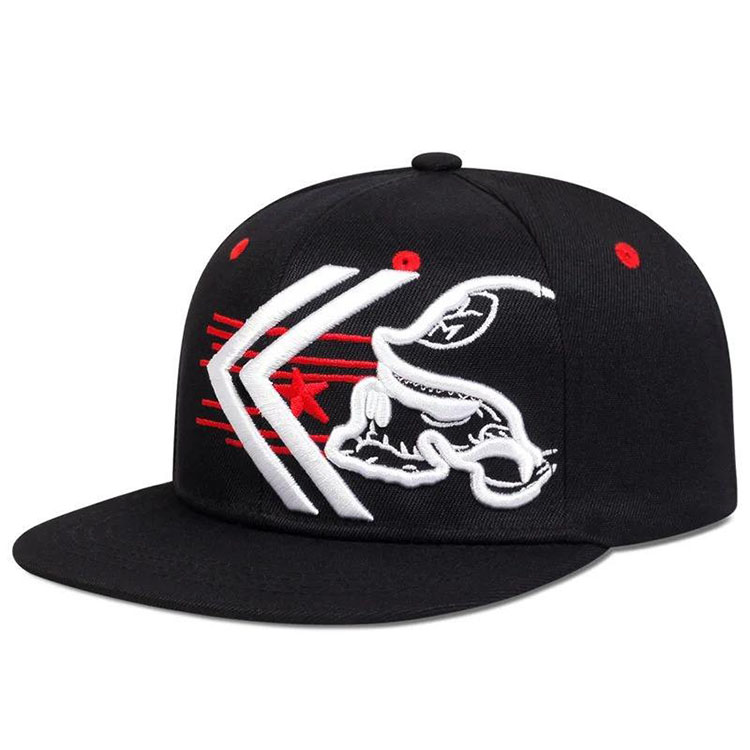
A hat factory quality control process is a documented system that checks materials, workmanship, measurements, compliance, packaging, and shipment readiness at fixed stages so defects are caught before mass production multiplies them and so only release-approved goods leave the factory.
In plain English, it is the operating discipline that turns “we hope it’s right” into “we verified it’s right.” I do not treat a final inspection alone as a full process.
Quality control in hat manufacturing means inspecting and rejecting defects at specific checkpoints, while quality assurance means building the operating system, training, approval flow, supplier controls, and corrective-action loop that prevents those defects from recurring in the first place reliably.
QC catches failure. QA reduces the chance that failure appears at all. The best factories run both, even if they only brag about QC in sales meetings.
AQL for hats is the sampling threshold a factory uses during final random inspection to decide whether a lot passes or fails, and in practice I see many buyers use tighter limits for logo, measurement, and packaging defects than for minor cosmetic issues.
I would keep critical defects at zero tolerance, then define major and minor defects with painful clarity before bulk starts. Factories hate ambiguity less than buyers do, but it still costs both sides money.
To inspect custom hats before shipment, a factory should pull a statistically valid sample, compare every piece against the approved spec pack and sealing sample, verify measurements and functions, confirm label and carton accuracy, and document pass-fail results against a defined acceptance plan.
That means checking appearance, crown symmetry, brim shape, circumference, closures, logo placement, labels, barcodes, assortment ratios, and carton marks, not just flipping through random units under warehouse lighting.
Compliance tests for hats sold in the United States depend on the product, age grading, and materials, but they can include flammability screening under 16 CFR Part 1610, children’s product rules, drawstring restrictions for applicable outerwear designs, and accurate fiber and care labeling.
The right answer depends on whether the hat is adult or children’s, decorative or functional, and which trims or textile components it uses. Start with the flammability rule and kids’ safety guidance, then map the product against the target market before sampling.
So here is my advice.
Stop asking whether the factory “does QC.” Ask for the control map. Ask for the pre-production approval form, incoming material report, inline QC log, AQL report, compliance file, and carton release sheet. Then ask who signs each one, when they sign it, and what defect level stops shipment.
If you want the process around this article to be practical rather than theoretical, use design support before sampling to lock the spec, align it with fabric and craft selection, connect it to the wider hat and cap factory workflow, and finish with custom labels and packaging requirements plus packing and shipping checks. Then make the factory prove each gate, on paper, before a single carton leaves. That is what a quality control process should include.
Copyright© 2026 Hat Manufacturer. All Rights Reserved.
