All You Need Is An Idea!
Our skilled team is here to bring it to life.
Our skilled team is here to bring it to life.
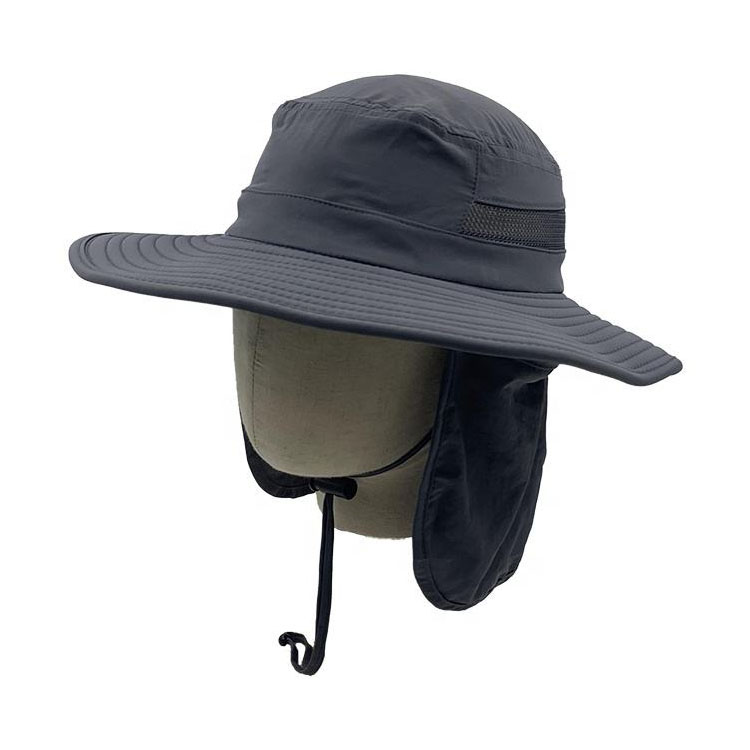
I have watched enough branded headwear pitches collapse for the same reason: the hat looked fine on a mood board and weak in the real world. Outdoor brands care less about gimmicks and more about materials, repeatability, compliance, and whether a custom hat can survive sweat, weather, retail shelves, and skeptical customers.
Three things matter.
Outdoor brands do not buy custom hats because hats are cute, trendy, or cheap to hand out at a trail race; they buy them because a hat sits at the intersection of function, brand identity, and margin, and if one of those three breaks, the whole program starts to smell like lazy merchandise. Who wants a logo billboard that sweats out, warps, and comes back as a return?
I will say the rude part out loud. Most bad headwear programs fail before production, not after it, because the brand team picked the shape from a photo, the sourcing team chased a soft quote, and nobody asked whether the hat actually belonged in the field, on a retail wall, or on a founder’s head.
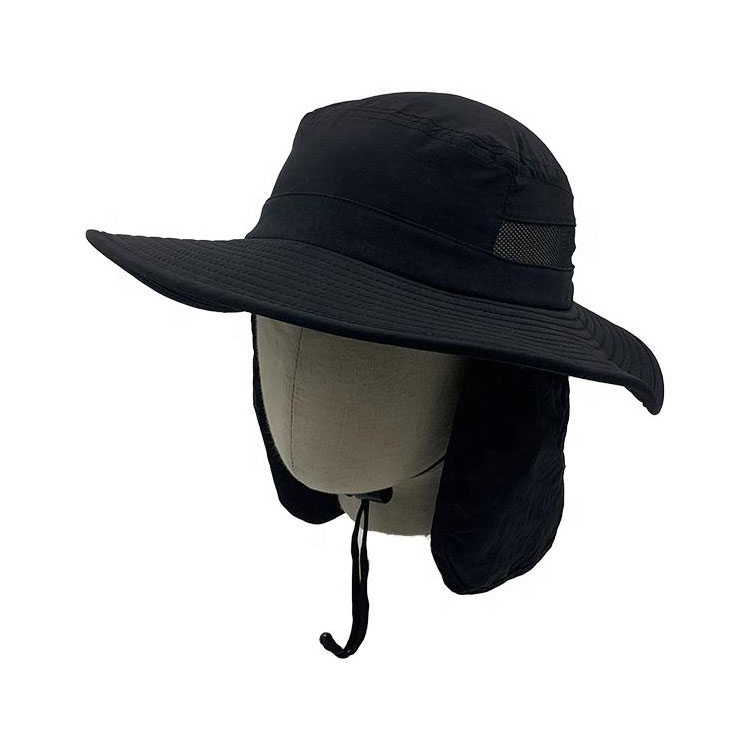
This is the hard truth.
When I look at what outdoor brands value most in custom hats with logo, I do not start with logo size or embroidery color; I start with whether the product can survive abrasion, sweat, UV exposure, stuffing into a pack, and repeated wear without looking like conference swag by week two. That is why the smartest internal link on this topic is your custom hats manufacturing page, backed by design support and quality control, because outdoor buyers judge process as much as appearance.
And yes, I am opinionated here.
A serious outdoor buyer usually wants five things at once: a hat that fits a real head, a material that matches use case, decoration that will not crack or peel, labeling that makes the brand look established, and factory controls that reduce ugly surprises. That is exactly why pages like custom fabric and craft options and custom labeling and packaging belong inside this article instead of being buried in a footer.
One hat does not win every room.
A fly-fishing label, a trail-running brand, a mountain-town brewery, and a national park merch program may all ask for custom logo hats, but they do not want the same crown height, brim shape, mesh ratio, or sweatband feel, because “outdoor” is not one buyer profile; it is several commercial tribes with different tolerances for structure, breathability, price, and visual loudness. Why do so many suppliers still pitch one generic trucker as the answer to everything?
Here is how I would frame it for a skeptical buyer:
| Brand type | What they usually value first | Best hat direction | Branding approach | What kills the deal |
|---|---|---|---|---|
| Trail-running brand | Low weight, airflow, packability | Custom performance hats with perforation, moisture management, soft structure | Small front hit, side mark, tonal embroidery | Heavy crown, hot fabric, stiff feel |
| Surf or river brand | Dry time, salt tolerance, casual shape | Rope cap or unstructured snapback | Woven patch or clean embroidery | Patch edges lifting, cheap foam, weak closure |
| Climbing or lifestyle outdoor brand | Everyday wear, retail appeal, stronger silhouette | 5-panel or shallow trucker | Clean embroidery, minimal text | Tall crown, awkward fit, novelty graphics |
| Eco-positioned outdoor brand | Material story, origin proof, trim choices | Recycled or organic cotton blend styles | Understated branding with credible labeling | Vague sustainability claims |
| Event or promo-led brand | Speed, cost control, broad fit | Better-grade promotional hats or simple truckers | Bold logo, safe color blocking | Looking too cheap for retail reuse |
That table is not theory. It is buyer psychology.
Fabric exposes everybody.
I have seen brands obsess over front embroidery while ignoring the more expensive decision, which is the material stack: cotton twill versus microfiber, recycled polyester versus performance poly, foam-backed mesh versus tighter sport mesh, brushed hand feel versus crisp technical shell, and whether the finish supports the job without turning the hat into a compliance problem six months later. So when someone asks me how to choose custom hats for outdoor brands, I start with fabric, not color.
Here is where the industry gets slippery. According to Reuters’ August 2023 reporting on recycled polyester, Textile Exchange said 99% of recycled polyester still comes from PET bottles, and the article notes that durability and real recycling scale remain unresolved problems; that means outdoor buyers increasingly want a material story that goes past the lazy phrase “made from recycled bottles.” I agree with that skepticism. “Recycled” without performance proof is just cleaner-looking marketing.
And brands notice details.
If the hat is meant for trail, heat, sun, and movement, a heavier brushed cotton cap may photograph well and wear badly; if the hat is for retail, hospitality, or post-hike town use, an overly technical shell can look sterile and miss the brand. That is why your sustainability page and fabric sourcing support page are not side content; they are buying-decision content.
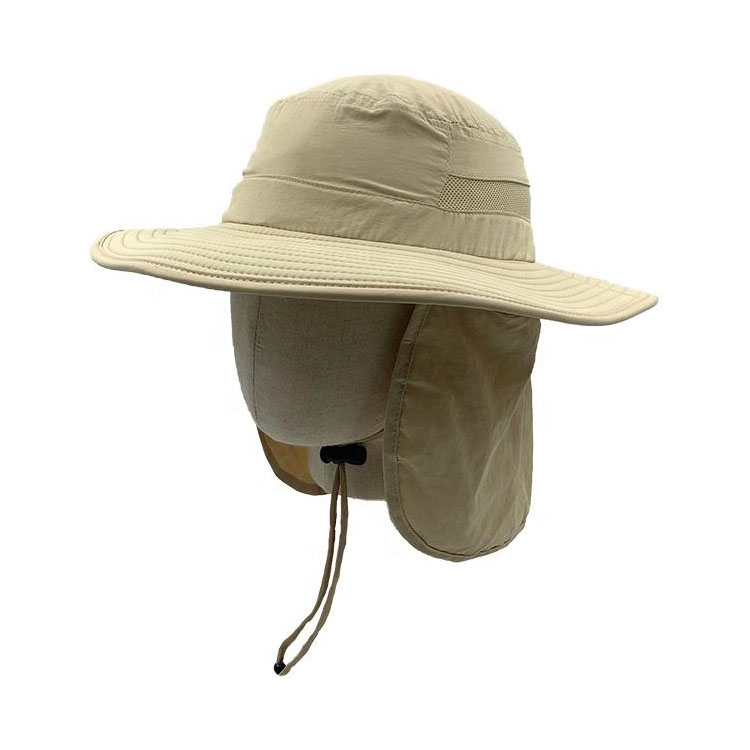
Documentation matters more.
Outdoor brands are now trained to distrust easy claims, and frankly they should be, because sloppy country-of-origin language, weak material traceability, or chemistry hand-waving can turn a harmless cap order into a legal, retail, or PR mess faster than most suppliers admit.
Take origin claims. Reuters reported on April 23, 2024 that Williams-Sonoma agreed to pay a $3.18 million civil fine over false “Made in USA” claims, and the FTC’s Chaucer/Bates accessories matter led to more than $140,000 in consumer refunds in November 2024 after the agency challenged deceptive origin marketing. So when a supplier throws around “domestic,” “USA-made,” or “locally crafted” on branded hats, I want paperwork, not vibes.
Then there is chemistry. The EPA’s April 10, 2024 PFAS drinking-water rule set enforceable limits of 4.0 parts per trillion for PFOA and PFOS, plus 10 parts per trillion for PFNA, PFHxS, and HFPO-DA (GenX Chemicals), which is not a textile rule by itself but absolutely sharpened how buyers, retailers, and compliance teams talk about fluorinated finishes. I have watched “water resistant” become a much more uncomfortable phrase in sourcing meetings since that date.
And the cotton story is not cleaner. Reuters reported on May 7, 2024 that 19% of 822 tested products contained traces of Xinjiang cotton, while 57% of the positives carried labels claiming U.S.-only origin; nine days later, Reuters also reported that the United States blocked imports from 26 Chinese cotton firms tied to forced-labor enforcement. That is why outdoor brands now ask boring questions about vendor declarations, component origin, and audit trails. Those questions are not boring anymore. They are survival.
They ask sharper questions.
Not “Can you embroider this?” Not “Can you match Pantone 5535 C?” Those come later. First they want to know whether the supplier can repeat the same spec at scale, whether the closure feels right, whether the sweatband stains fast, whether the patch edge curls, whether the brim keeps shape after carton pressure, and whether reorders six months later will look like cousins instead of clones.
I would rather approve a plain hat with a stable block than a louder hat with bad proportions.
That is why design support matters: not as a courtesy service, but as a filter that forces the brand to define crown height, brim curve, closure type, artwork placement, and intended use before money leaks into revisions. A messy brief is where weak custom hats with logo programs start dying.
The inside matters.
Outdoor customers may buy because of the front logo, but they judge legitimacy through hang tags, care labels, woven branding, size labeling, and packaging discipline, which is why custom labeling and packaging should sit close to the conversion path. A blank interior and generic polybag can quietly downgrade an otherwise good hat into obvious merch.
Anyone can ship one nice sample.
The supplier worth keeping is the one who can repeat embroidery density, patch placement, brim shape, and measurement tolerances across the actual bulk order, which is exactly why quality control and packing and shipping coordination deserve contextual links here. Outdoor brands do not just buy hats. They buy the odds of fewer painful emails later.
They feel believable.
I do not mean believable as in “authentic brand story” copy. I mean believable on the head, believable in the hand, believable after ten wears, believable when a buyer flips the sweatband, believable when a retailer asks where the cotton came from, and believable when the same hat has to work as merchandise, uniform, promo piece, and real outdoor accessory.
So yes, custom trucker hats still work. But only when they are the right trucker hats. And yes, custom performance hats can win. But only when performance is not being used as camouflage for ugly design. Would you rather have a hat that screams “outdoor” or one that quietly earns it?
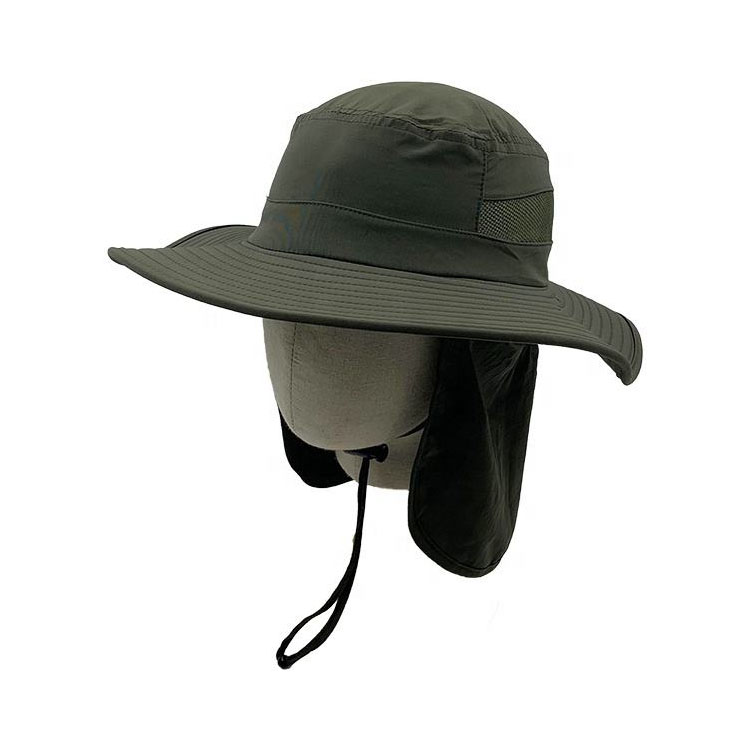
Outdoor brands value custom hats that combine reliable fit, weather-appropriate materials, brand-right decoration, and documented production control, because the hat has to work as both usable gear and public-facing brand media without triggering returns, compliance headaches, or cheap-looking logo fatigue. In practice, that means buyers care about silhouette, fabric choice, trim quality, repeatability, and proof behind origin or sustainability claims.
Custom trucker hats are still a strong option for outdoor brands when the mesh quality, crown profile, patch execution, and closure feel are aligned with the brand’s audience, because lifestyle-outdoor and event-driven buyers still want breathability and casual wearability without looking like throwaway promo product. The mistake is assuming every outdoor brand wants the same tall, stiff, foam-heavy trucker silhouette.
Outdoor brands choose between promotional hats and performance hats by matching the hat to the selling channel, user activity, and expected wear cycle, because a giveaway for an expo, a retail cap for a surf shop, and a run-club cap for summer mileage are three different commercial jobs. I usually tell brands to decide where the hat will live first: trail, store, staff, or event.
The best materials for custom hats with logo in the outdoor category are the fabrics that match the use case, such as performance polyester for heat and fast drying, cotton twill for everyday lifestyle wear, mesh-backed constructions for airflow, and recycled or organic blends when the sustainability claim can be documented. Material choice should follow function, not trend, because bad fabric makes even excellent branding look second-rate.
Outdoor brands care about labeling and packaging because these elements verify brand consistency, improve perceived value, communicate material and care details, and make the finished product feel retail-ready rather than generic, which directly affects customer trust, reorder confidence, and merchandising quality. A strong hat with weak labeling often looks unfinished, and unfinished products rarely command better margin.
Start smaller. Start sharper.
If you are building content or a sales page around custom hats, do not sell the fantasy first. Sell the decisions: fit, fabric, decoration method, labeling, compliance awareness, QC, and shipping control. I would structure the buyer journey so readers move naturally from custom hats manufacturing to design support, then into custom labeling, quality control, and packing and shipping before hitting the contact form. That path makes commercial sense because it answers the real objection stack in the order buyers actually think.
My advice is blunt: stop pitching hats as swag and start positioning them as low-profile technical brand assets. The outdoor buyer will respect that. And more important, they will buy from it.
Copyright© 2026 Hat Manufacturer. All Rights Reserved.
