All You Need Is An Idea!
Our skilled team is here to bring it to life.
Our skilled team is here to bring it to life.

I’ve seen too many brands mistake a cheap cap for a useful branded product. This piece explains what performance hats really are, why serious brands care, and where the money gets made or lost.
Function beats nostalgia.
I have watched brands spend months polishing ad creative, then sabotage the physical product with a stiff, sweaty, forgettable cap that screams “freebie” the second it touches a customer’s hand, which is absurd because headwear is one of the few branded products that lives in public, travels well, and keeps working after the campaign budget is gone.
Why would any brand settle for that?
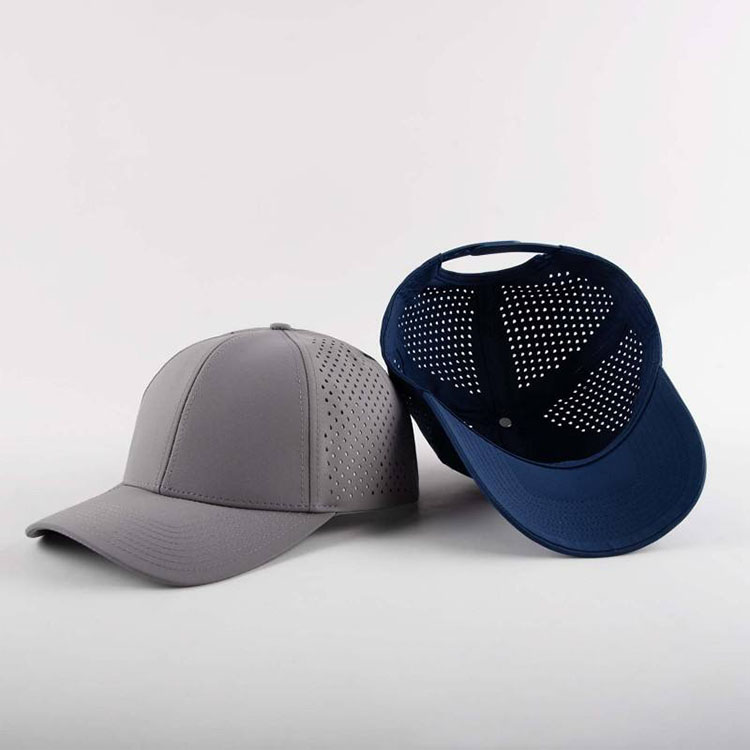
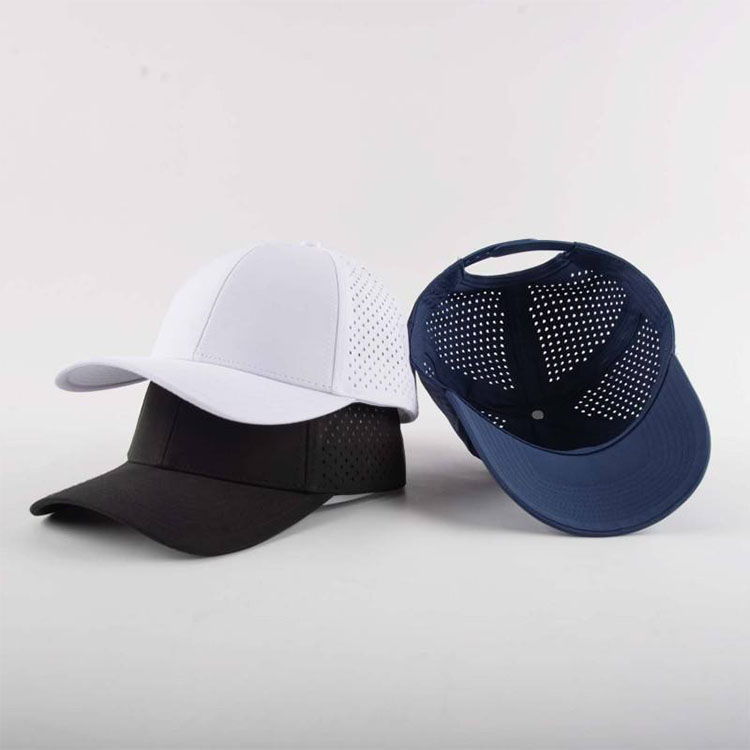
Performance hats are built for heat, sweat, motion, and repeat wear. Not romance. Not heritage cosplay. I mean lightweight shells, moisture management, faster drying, better airflow, and fit choices that do not turn a person’s forehead into a complaint form.
That is the first hard truth. Most “promotional performance hats” are not performance hats at all. They are ordinary caps wearing athletic language.
And the second hard truth is worse. A lot of buyers spec the front embroidery before they spec the body fabric, sweatband, panel structure, and closure. That is backwards. Always has been.
In plain English, performance hats sit closer to activewear than to old-school cotton twill merch. The category usually implies polyester or nylon-heavy construction, sweat-wicking bands, vented or perforated panels, lighter weights, and sometimes UPF-minded positioning. If I were building custom performance hats for a serious brand, I would treat the hat like a wearable tool first and a logo carrier second.
Specs decide everything.
If a brand cannot explain why it chose polyester over cotton, why it wants laser perforation instead of eyelets, why it needs a low-profile 5-panel versus a structured trucker crown, or whether the hat is meant for golf, running, field crews, events, or retail shelves, then it is not designing a product. It is guessing in public.
Here is the cleaner way to think about it:
| Attribute | Commodity promo cap | Branded performance hat | Why brands should care |
|---|---|---|---|
| Main fabric | Heavy cotton twill | Polyester, nylon, or performance blends | Lower weight and faster drying usually win in hot or active use |
| Sweat handling | Basic sweatband | Moisture-managing sweatband | Comfort extends wear time, and wear time is media value |
| Airflow | Standard eyelets | Mesh panels, perforation, lighter construction | Hot-weather usability goes up fast |
| Fit logic | One generic silhouette | Use-case-specific fit: 5-panel, trucker, visor, unstructured | Better fit means better odds the hat gets kept |
| Brand signal | “We printed merch” | “We built a product” | Perceived value changes the whole interaction |
| Reorder logic | Event leftovers | Retail, team, community, staff, creator, promo | More usable categories create more ways to reorder |
I would not publish this article on customhatsmanufacturer.com as a dead-end explainer, either. Based on the site’s current structure, the smart internal path is to move readers from design support for custom hat development into fabric sourcing and craft options for performance hats, then into custom hats and caps manufacturing, followed by custom labels and packaging for private-label headwear and quality control for custom hat production. That is not random internal linking. That is a buying sequence disguised as content.
People wear useful things.
According to the U.S. Census Bureau’s 2024 e-commerce report, U.S. e-commerce sales reached $1.1926 trillion in 2024, up 8.1% from 2023 and equal to 16.1% of total retail sales; at the same time, Reuters reported in July 2024 that Etsy’s gifting GMS rose 4.1% year over year and active buyers hit 96.6 million. I read that as a blunt signal: consumers still respond to personalized physical goods, and brands still need objects that carry identity off-screen.
That is why branded performance hats matter. They sit in a rare sweet spot. Lower size complexity than apparel. Lower return drama than footwear. Better public visibility than mugs. Better daily usefulness than poster-grade merch. And unlike many “brand awareness” purchases, a good performance cap can live in retail, uniforming, events, creator drops, golf programs, hospitality kits, nonprofit campaigns, and team merchandise without changing its basic product logic.
I have seen this movie before. The cheap cap gets handed out. The better cap gets adopted. One is expense. The other becomes a habit.
Weather changes usage.
In July 2024, Reuters reported on OSHA’s proposed federal heat rule, which was aimed at protecting about 36 million workers and would require water and rest protections at 80°F and added monitoring and 15-minute breaks every two hours at 90°F; NOAA later said in its 2024 global climate report that 2024 was the warmest year on record, 1.29°C above the 20th-century average. That is not abstract climate chatter for brands selling outdoor, field, event, golf, hospitality, travel, or sport-adjacent products. It is product context.
So yes, moisture-wicking hats and performance caps matter more now than they did when brands could still get away with “good enough” cotton promo stock. Customers notice breathability. Staff notice sweat. Outdoor crews notice glare and heat. The body notices before the brand deck does.
And here is the opinion some people in this industry do not like hearing: if your hat is uncomfortable by 11:30 a.m., your logo is not doing brand work. It is doing damage.
Bad briefs fail.
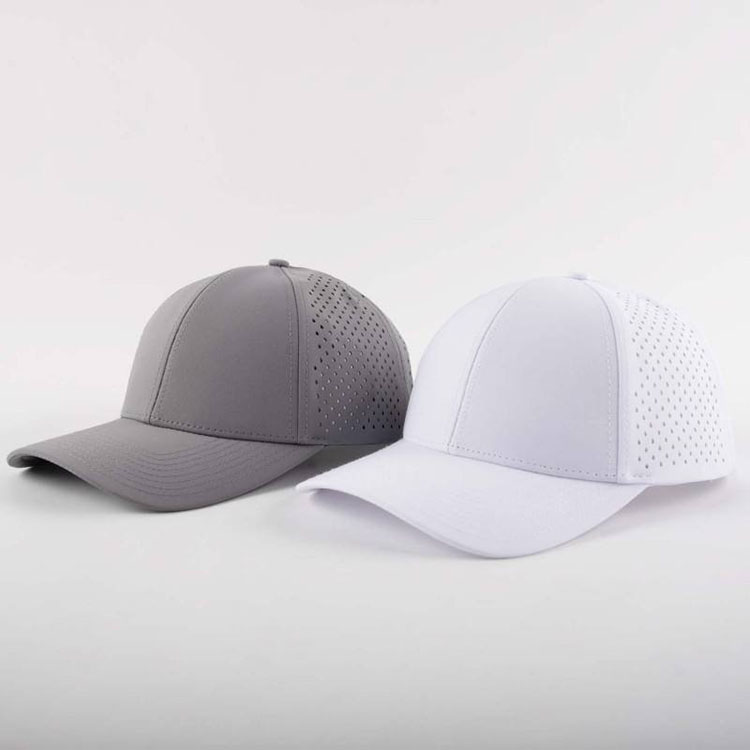
I have watched brand teams send a low-res logo, say “make it premium,” skip the intended use case, ignore closure preference, never define crown depth, never ask about sweatband construction, and then act shocked when the sample looks generic. But that is not a factory mystery. That is buyer negligence.
For this site, that is exactly why the internal page on what you need before starting a custom hat sample is more valuable than half the fluffy SEO content most manufacturers publish. It points buyers toward the ugly but necessary inputs: artwork quality, materials, decoration method, packaging, and approval logic.
Here is how I would frame the buying logic for custom performance hats:
A golf cap, a trail-running cap, a team visor, and a branded event cap may all live under “performance hats,” but they do not share the same brief. A retail-facing sportswear brand might want a cleaner unstructured 5-panel with subtle side branding. A field-marketing team may need lightweight visibility and easy size flexibility. A hospitality or resort brand may prefer performance visors or moisture-wicking hats with a softer hand feel and easier all-day wear.
I would start with the body cloth, not the front logo. Recycled PET (polyethylene terephthalate), lightweight polyester, nylon blends, stretch inserts, mesh mapping, and sweatband choice all affect the final product more than buyers admit. Decoration still matters, obviously. But the logo cannot rescue a bad shell.
This is where brands either build equity or rent attention. If the inside still feels generic, the outside usually does too. That is why custom labels, hang tags, and pack-out details matter more than most first-time buyers expect. A branded performance hat should behave like a product line, not like a booth giveaway.
Copying gets expensive.
In June 2023, the U.S. Supreme Court ruled 9-0 for Jack Daniel’s in its dispute with VIP Products over the “Bad Spaniels” dog toy, and Reuters’ coverage of the ruling made the warning plain enough: if source confusion is on the table, trademark owners still have real leverage. Pair that with U.S. Customs and Border Protection data showing more than 32 million counterfeit items seized in FY2024, with a value above $5 billion had the goods been genuine, and the message for custom headwear is simple: original art, documented approvals, and clean sourcing beat imitation every time.
Fake sustainability gets expensive too, just more slowly. If a brand wants to talk about recycled materials, trace it. If it wants to talk about performance, spec it. If it wants to talk about “premium,” prove it in the sweatband, the hand feel, the stitching, the closure, the label pack, and the defect rate. I am skeptical by habit here because the category is full of adjectives doing work that materials should have done.
Content should move people.
If I were publishing this on customhatsmanufacturer.com, I would use this article as the bridge between top-of-funnel curiosity and mid-funnel specification. That means pushing readers from “what are performance hats” into “what type of branded performance hat do we need,” then into “how do we sample it without wasting six weeks,” then into production and QC.
That is the real internal-link job. Not decoration. Direction.
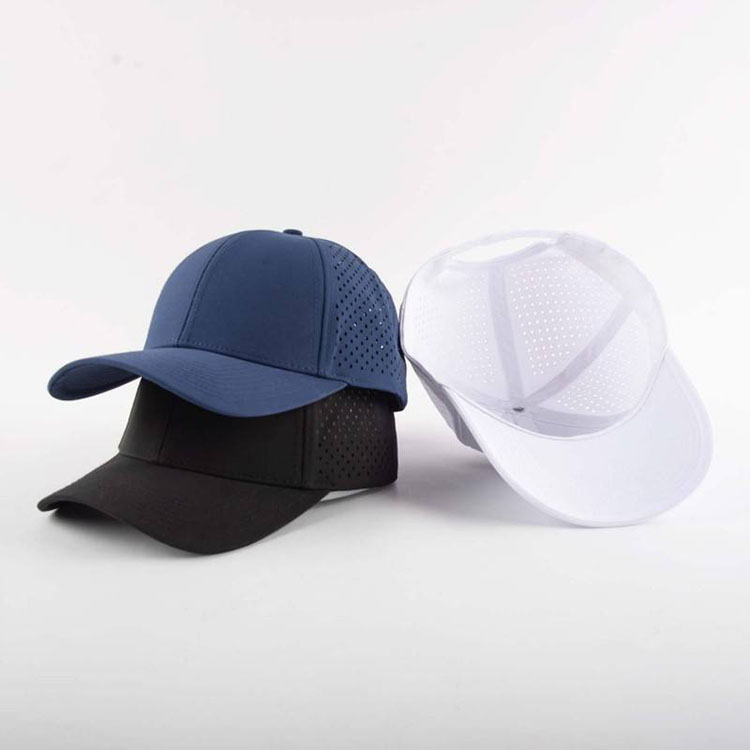
Performance hats are lightweight, sweat-managing, quick-drying caps or visors designed for movement, heat, sun exposure, and repeated wear, usually using polyester, nylon, stretch blends, venting, and purpose-built fit choices instead of the heavier cotton-twill construction common in ordinary promotional caps. They matter because they solve a use problem first and a branding problem second, which is exactly why people keep wearing them.
Brands should use performance hats when they want a branded product that stays wearable in hot, active, outdoor, or travel-heavy situations, because the better comfort profile, lower size complexity, and stronger repeat-use potential usually beat the short shelf life of ordinary promotional caps. I would pick them whenever the audience includes crews, athletes, golf customers, event staff, nonprofit teams, or buyers who already live in activewear.
Custom performance hats are worth the higher unit cost when the added spend produces more wear time, better perceived value, cleaner retail presentation, lower return friction than apparel, and a stronger chance the hat becomes part of someone’s routine rather than part of a drawer graveyard. That is the test I use. Not “Can we save one more dollar?” but “Will this still be on heads in 90 days?”
The best materials for branded performance hats depend on the use case, but lightweight polyester, nylon, stretch blends, moisture-managing sweatbands, mesh ventilation, and occasionally recycled PET options usually make the most sense when breathability, drying speed, shape retention, and repeat wear matter more than heritage texture. I would decide fabric only after defining the job: golf, running, field use, hospitality, travel, or retail.
Brands avoid legal and quality mistakes by using original artwork, documenting approvals, specifying fabric and trim details in writing, defining tolerances before sampling, and treating labels, packaging, and inspection as part of the product rather than as afterthoughts added near ship date. On this site, that means connecting the article to the right next steps: design, fabric selection, sampling, private-label finishing, and QC. Skip that chain and the odds of a bad bulk order go up fast.
I will say it plainly. Most branded hats fail because brands buy visibility and forget usability.
A good performance hat is not interesting because it is trendy. It is interesting because it keeps getting worn after the campaign ends, after the launch reel fades, after the event booth is packed up, after the sales team stops talking about impressions. That is where the value sits.
So here is the move I would make next: use this page to qualify intent, then push serious buyers into design briefing, material selection, sample planning, labeling, and inspection. Make the reader choose a use case. Make them define the wearer. Make them answer whether this is retail, promo, uniform, or community merchandise. Then build the hat around that answer.
That is how brands stop buying caps and start building products.

Copyright© 2026 Hat Manufacturer. All Rights Reserved.
