All You Need Is An Idea!
Our skilled team is here to bring it to life.
Our skilled team is here to bring it to life.
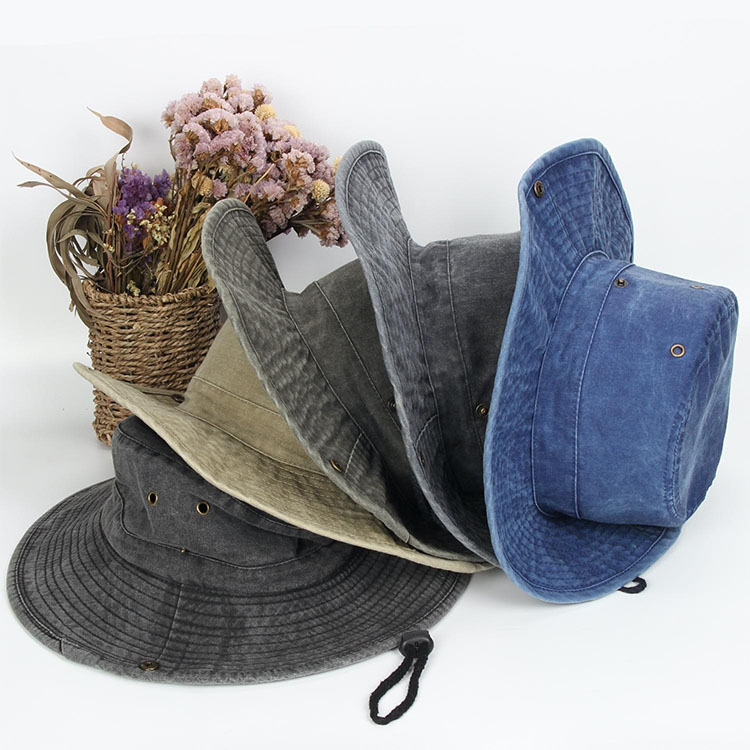
Most buyers frame denim, canvas, and twill as three equal hat materials. That framing is wrong. Denim is usually a twill fabric, canvas is a plain weave, and once you understand that, fabric choice stops being aesthetic fluff and starts becoming a production decision.
Here’s the blunt truth.
Most people compare denim, canvas, and twill hats as if they are three separate, parallel material families, but that is not how textile construction works in the real world: denim is generally a specific twill fabric, canvas sits in the plain-weave camp, and twill itself is the weave structure that gives fabric those diagonal ribs and much of its durability. Why are buyers still talking about “denim vs twill” like they are sworn enemies when one usually sits inside the other? According to the U.S. Census Schedule B definition of denim, denim is a 3-thread or 4-thread twill made from yarns of different colors, while Cornell’s plain-weave explainer, Pratt’s Textile Research Lab, and the University of Tennessee’s fabric guide draw the line clearly between plain weave canvas and twill constructions.
I’ve watched too many brand teams burn time on this exact mistake, because once you misunderstand the fabric family, you start asking the wrong factory questions, approving the wrong wash, and blaming sewing quality for problems that were baked into the material choice from day one. Doesn’t that sound familiar?
And yes, this matters for SEO and for production.
If you are building this topic out for a buyer-facing site, I would naturally connect it to custom fabric and craft options, design support for custom hats, and custom hats and caps manufacturing, because the reader asking about hat fabrics is usually one step away from asking how to choose hat material, how logo methods behave on each surface, and what a realistic sample path looks like.
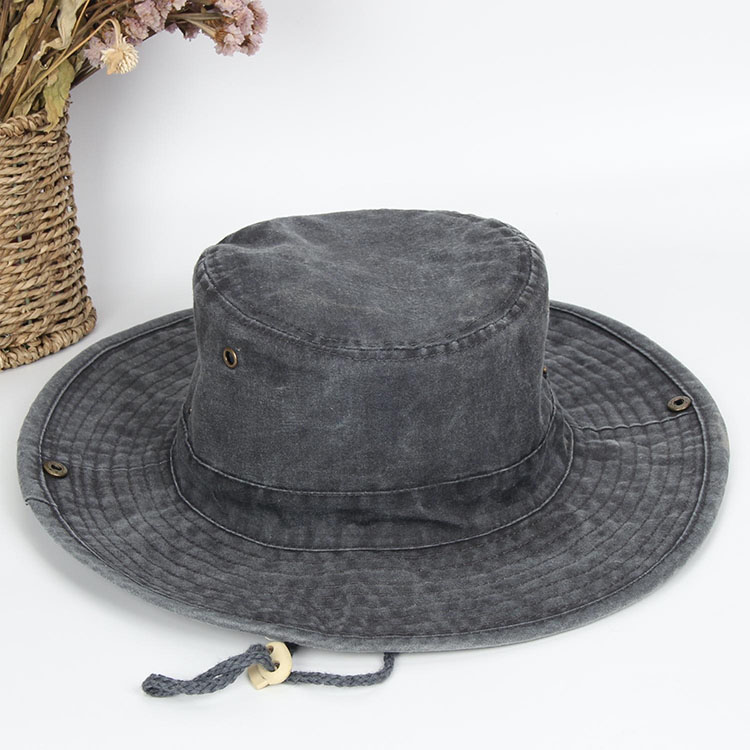
Fabric decides behavior.
A hat is not a flat swatch pinned under studio lights; it is a curved, stitched, tensioned object with panels, seams, sweat, abrasion, embroidery pull, washing distortion, and crown memory, so the weave structure changes how the hat holds shape, how the brim recovers, how the logo sits, and how cheap or expensive the finish looks once the piece is actually worn. Still think “material preference” is just a vibe?
Denim hats sell a story fast.
I like denim when a brand wants visible character—washed contrast, vintage attitude, rougher texture, and a fashion read that feels more streetwear or workwear than basic teamwear—but I do not pretend it is the easy option, because denim’s twill face, dyed warp, and wash sensitivity can create crocking, irregular color breakup, seam puckering, and thread contrast that looks amazing when controlled and sloppy when it is not. That is the upside and the tax. The U.S. Census definition matters here because denim’s identity is bound to its twill construction and color contrast, not just “blue cotton.”
My hard opinion? Denim hats are often overused by brands trying to look premium without fixing silhouette, stitch density, or trim quality first.
Canvas is simpler.
Canvas is generally a heavy cotton plain-weave fabric, often called duck cloth, and that plain over-under structure gives it a blunt, sturdy, workhorse personality: sharper body, flatter visual grain, less drape, more resistance to casual slouch, and a cleaner fit for hats that are supposed to look hard-edged rather than broken-in. Want a fabric that feels tougher and looks less “fashion washed” out of the gate? This is where canvas starts earning its keep. The University of Tennessee guide describes canvas as durable, sturdy, and heavy duty, while Cornell’s weave primer explains the plain-weave structure behind that feel.
But canvas has a downside buyers learn late: it can feel boardy, it can fight softer crown shapes, and if you choose the wrong weight, the hat starts wearing the customer instead of the other way around.
Twill wins often.
Twill fabrics show diagonal ribs because the yarn interlacing passes over multiple threads before going under the next, and that tighter, more durable construction is one reason twill keeps showing up in mainstream caps, dad hats, uniforms, and promo programs where factories need repeatability more than drama. Isn’t it telling that so many commercial caps keep landing here? Pratt says twill is generally woven more closely and is stronger and more durable, and the University of Tennessee notes that twill’s diagonal rib pattern is what makes fabrics like denim, chino, and gabardine durable in everyday wear.
If I had to choose the safest commercial middle lane for embroidery, mass repeat orders, and fewer ugly surprises in bulk production, I would still bet on twill before I bet on denim or stiff canvas.
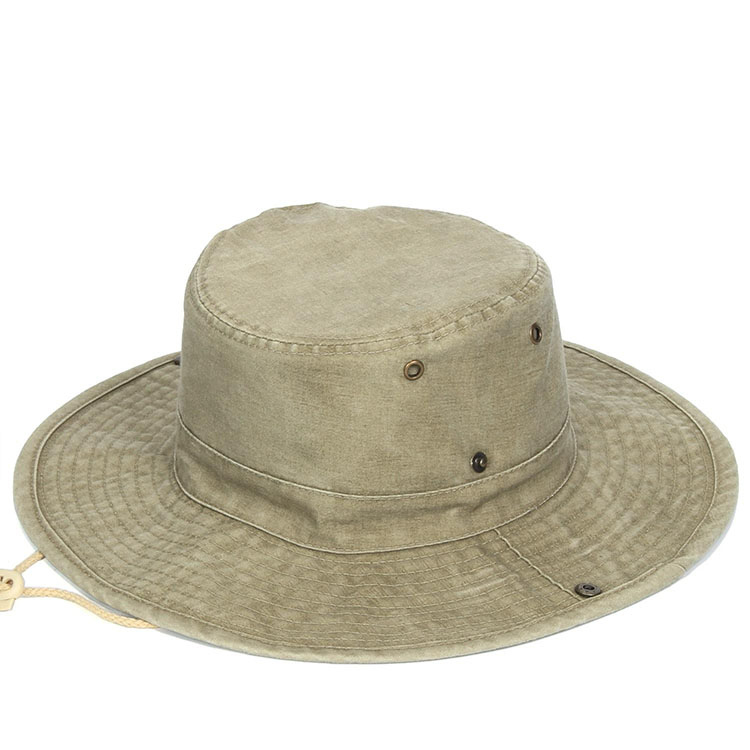
This is the hat fabric comparison I wish more sourcing decks showed before sampling starts.
| Factor | Denim Hats | Canvas Hats | Twill Hats |
|---|---|---|---|
| What it actually is | Usually a specific twill fabric with colored warp and lighter weft | Usually a plain-weave heavy cotton fabric, often duck cloth | A weave structure with diagonal ribs; many commercial cap fabrics use it |
| Surface look | Washed, textured, fashion-forward, contrast-heavy | Flat, rugged, workwear, less visually busy | Clean, familiar, balanced, easy to commercialize |
| Structure on head | Medium to firm, depends heavily on wash and weight | Usually firmer and less forgiving | Medium, stable, easier to tune for everyday wear |
| Embroidery behavior | Can look excellent, but wash variation can complicate precision | Stable enough, but heavy canvas can look bulky | Usually the easiest all-around base for clean embroidery |
| Print behavior | Fashion prints work, but texture can compete with artwork | Bold graphics work if the surface is not overly coarse | Usually the most predictable for routine branded execution |
| Fade and aging | Usually the most attractive fade story | Ages ruggedly, can crease hard | Ages more quietly and predictably |
| Best use case | Fashion capsules, washed dad hats, vintage programs | Utility caps, structured bucket hats, workwear drops | Everyday baseball caps, uniforms, promo, scalable private label |
| Biggest risk | Color bleed, wash inconsistency, style over substance | Too stiff, too heavy, less comfortable if spec’d badly | Can look generic if branding and trims are lazy |
That table is not academic trivia; it is the shortest route I know between “best fabric for hats” as a search query and a sample that does not embarrass your brand.
Fabric is economics.
In December 2024, the USDA forecast U.S. cotton production at 14.3 million 480-pound bales, up 18% from 2023, while Reuters reported that Abercrombie & Fitch improved gross margin by 240 basis points to 64.9% with help from lower cotton costs, which is a neat reminder that cotton-based hat materials do not live in a vacuum—they are tied to commodity swings, mill economics, and margin management all the way down the chain. So when a buyer says denim, canvas, and twill are just aesthetic choices, I know they have not sat through enough cost-review meetings. See the USDA crop report and Reuters’ Abercrombie margin report.
And the pressure is not just cost.
The USDA’s November 2024 cotton outlook said global cotton consumption for 2024/25 was forecast at 115.2 million bales, more than 9 million below the record from four years earlier, while synthetic and cellulosic fibers kept gaining share; translated into plain English, natural-fiber hat programs now have to justify themselves on feel, branding, and durability, not just tradition. Why would any serious private-label brand ignore that shift? The USDA cotton outlook lays it out with more honesty than most sales decks.
Waste is now part of the fabric conversation too.
The U.S. GAO said textile waste increased more than 50% from 2000 to 2018, Reuters reported that France’s lower house backed penalties that could climb to €10 per garment by 2030, Reuters also reported that Spain collects only 12% of used clothes separately while 88% go to landfill, and California’s 2024 Responsible Textile Recovery Act now requires producers of covered apparel and textiles to form and join a producer responsibility organization. That is not fringe activism; that is regulation and cost pressure walking straight toward apparel buyers. Read the GAO textile waste report, Reuters on France’s fast-fashion penalties, Reuters on Spain’s collection problem, and California’s CalRecycle textile stewardship page.
My unpopular view is this: if a hat brand is still choosing fabric only by hand feel and Instagram mood, it is already behind.
Ask again.
Reuters noted in 2024 that PFAS show up in everyday waterproof clothing, and NIST found that PFAS-containing protective textiles released more PFAS after simulated wear and tear, which is an extreme-use case but a useful warning for anyone buying coated canvas, “performance twill,” or water-resistant headwear without asking what chemistry is doing the work. Do you really want to spec a finish you cannot explain to your own customer? See Reuters on PFAS under Superfund and NIST’s 2024 study on wear and tear releasing more PFAS.
I usually lean denim or soft twill.
Denim wins when the brand wants visible fade, old-favorite character, and a little swagger; washed twill wins when the brand wants most of that ease without inviting as much dye drama or wash inconsistency. If the project is still half-formed, pair this article with design support for custom hats before you pretend the wash can fix a weak spec sheet.
Twill is still the adult answer.
A basic baseball cap has to survive embroidery tension, repeated reorders, color matching, panel curvature, and a wide range of head shapes, which is why twill keeps beating flashier fabrics in the long run even when it looks less sexy on a merch board. And if you are building a scalable cap line, custom hats and caps manufacturing support is the better internal step than chasing novelty first.
Canvas deserves more respect.
Canvas gives bucket hats a straighter, more utilitarian body that works well for outdoor, workwear, and utility-led capsules, while cotton twill is the softer middle lane and denim is the fashion-forward option when the whole collection is built around wash and texture. On the site, the most relevant supporting path here is custom fabric and craft options, because the body of a bucket hat changes dramatically with fabric choice.
Boring wins money.
I know that sounds harsh, but clean twill backed by disciplined trims, good logo execution, and solid measurement control will usually outperform a “creative” fabric choice that causes rework, returns, or ugly second-batch variation. That is where quality control for custom hats and custom labels and packaging stop being side notes and start protecting margin.
You need proof, not adjectives.
If you want to position a hat around recycled cotton, organic cotton, or other more responsible material claims, say exactly what the fiber is, what the certification path is, and what tradeoff the customer should expect in hand feel, color depth, or cost. Otherwise the story reads thin. The right internal bridge here is responsible hat manufacturing and material options.
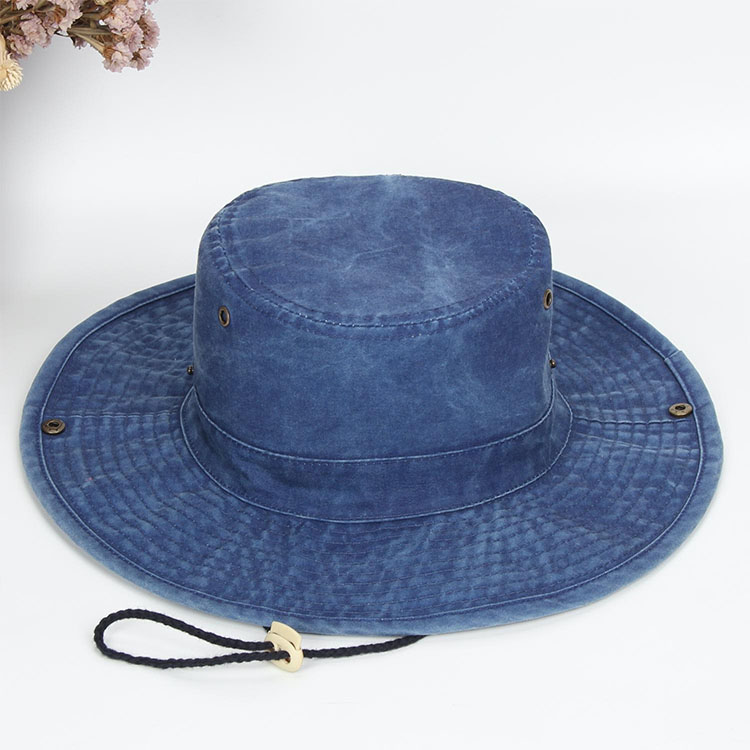
No, denim is a specific fabric within the twill family: it is usually a warp-faced 3-thread or 4-thread twill made with colored warp yarns and lighter weft yarns, which gives it its familiar diagonal structure, color contrast, and washed visual identity rather than making it a separate weave category. After that, construction details, finishing, and garment wash decide whether the hat looks premium or messy.
The best fabric for hats is the one whose weave, weight, finish, logo method, and target price match the job, but for most commercial caps cotton twill wins because it balances durability, comfort, embroidery performance, cost control, and repeatable bulk production better than denim or stiff canvas. Denim is stronger for style statements; canvas is stronger for structure and utility.
Canvas hats are usually better when you want a firmer, flatter, workwear-style shell with more structural stiffness, while twill hats are usually better when you want an easier everyday fit, cleaner embroidery, smoother handling on curved panels, and fewer surprises during sampling, washing, and bulk sewing. Better is not universal here; it is use-case specific.
Twill is usually the best fabric for embroidery because its diagonal, tightly woven surface is durable without being overly rigid, giving stitches enough grip for clean edges while avoiding some of the heavy bulk, seam stress, and washed color irregularity that denim and canvas can introduce. Good embroidery, though, still depends on backing, stitch density, and panel stability.
To choose hat material, start with silhouette, logo method, wash effect, target price, climate, and reorder risk, then eliminate fabrics that fight those requirements, because the wrong weave will show up later as bad embroidery, warped crowns, color bleed, harsh hand feel, or customer returns. I would always test the same logo on at least two fabrics before bulk approval.
Do this next.
Pick one silhouette, one closure, one logo method, and one target price, then test denim, canvas, and twill on the same pattern instead of changing five variables at once; that is how you learn something useful, and that is how brands stop confusing hat materials with marketing adjectives. If you want to move from theory to a factory-ready sample, start with design support, confirm fabric choices through custom fabric and craft options, protect the result with quality control, and send the project through the contact page once the spec is tight enough to quote.
Copyright© 2026 Hat Manufacturer. All Rights Reserved.
