All You Need Is An Idea!
Our skilled team is here to bring it to life.
Our skilled team is here to bring it to life.
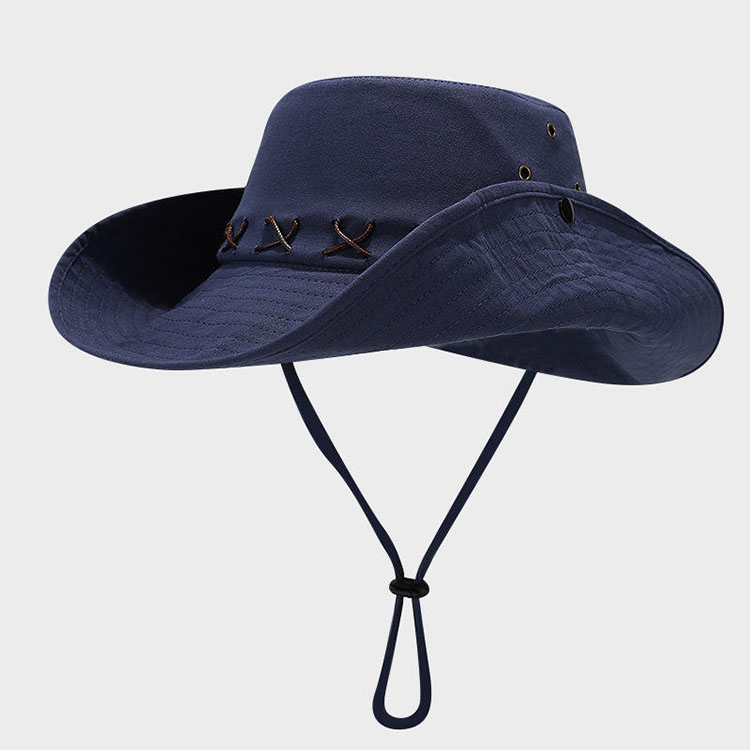
Custom bucket hats can build brand equity, or quietly wreck it. This guide explains what brand owners, merch teams, and private-label buyers should watch before they approve fabric, logo method, labeling, MOQ, packaging, and supplier claims.
I’ll say it plainly: most custom bucket hats fail long before they hit a customer’s head, because brands buy on quote sheets, mockups, and supplier charm, then act surprised when the finished product looks floppy, generic, or legally messy. What did you think was going to happen?
I don’t buy the old “it’s just promo merch” excuse anymore, because the moment a bucket hat carries your logo, it also carries your sourcing record, your origin claims, and your standards for labor oversight. In June 2024, Reuters reported that an Italian Dior unit was placed under court administration after a probe alleged labor exploitation in subcontracted supply chains, and the court papers described a system built around cost pressure rather than honest supervision. That is not a luxury-sector-only problem; it is a warning for every brand that outsources branded product without asking hard questions.
So here’s the hard truth. A branded bucket hat is not a throwaway accessory, not if you want repeat orders, decent UGC, retailer confidence, or private-label margin; it is a compact product-development project where fabric weight, brim structure, stitch density, logo method, label set, carton plan, and claim language all matter at once. Why pretend otherwise?
And yes, I’m opinionated here. I would rather buy 300 well-specified promotional bucket hats that actually reinforce brand identity than 3,000 anonymous units that scream “freebie bin” after one wash and one sweaty outdoor event.
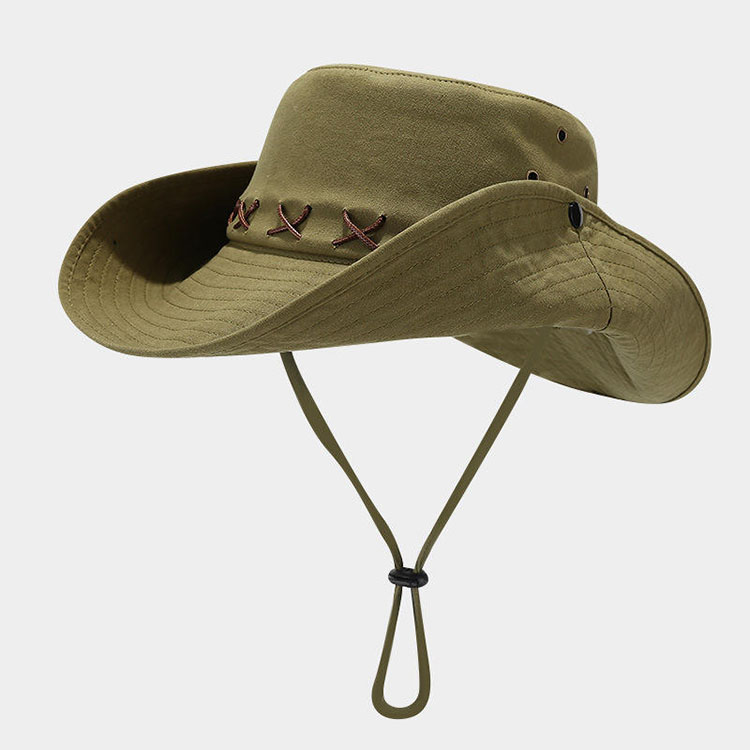
Three words matter first: hand feel, shape, and recovery. If the crown collapses badly, if the brim ripples after packing, or if the fabric gets shiny and tired too fast, your so-called premium hat becomes a cheap ad unit with a logo on it, and customers can feel that downgrade before they ever read a tag. Why keep pretending fabric is a minor detail?
For personalized bucket hats, I usually care less about whatever trendy marketing phrase a supplier uses and more about the boring specifics: cotton twill versus washed cotton, canvas versus recycled polyester, whether the brim has enough structure to hold embroidery, and whether the order is being designed for resale, events, or uniform use. If the project still needs clarification, it makes sense to route buyers toward design support for custom hats and the broader custom caps and hats manufacturing pages instead of forcing them into a vague quote form too early.
Embroidery is still the safest default for bucket hats with logo when the brand wants texture, resale energy, and a cleaner perceived value, but it is not magic; dense fills can distort lighter fabrics, oversized front logos can make the crown pucker, and all-over print only looks good when the art was built for seams, not lazily stretched across panels. Shouldn’t a brand know that before approving a sample?
I’ve seen this mistake too many times. Teams obsess over the front logo and forget the rest, even though inside seams, sweatband finish, woven labels, hang tags, and pack presentation are often what separates best custom bucket hats for promotions from units that feel like disposable event stock.
Labels matter. Packaging matters. Carton logic matters. And if you skip them, you are not building a brand system; you are buying decorated inventory. That is why a page like custom labeling and packaging does more strategic work than many flashy product galleries ever will.
Here’s my rule of thumb in table form, because merch teams need frameworks, not fluff:
| Decision Area | Low-discipline choice | Brand-first choice | What I’d do |
|---|---|---|---|
| Fabric | Cheapest stock twill available | Fabric matched to use case, embroidery load, and seasonality | Define end use first, then fabric |
| Logo method | One-size-fits-all embroidery | Decoration chosen by art style, placement, and crown structure | Test embroidery and print on actual fabric |
| Labels | Skip interior branding | Woven label, size info, origin disclosure, clean finish | Treat labels as brand infrastructure |
| Packaging | Generic polybag only | Packaging aligned to retail, gifting, or wholesale handling | Match packaging to margin and channel |
| QC | Final inspection only | Inline checks plus final audit | Build QC before bulk starts |
| Shipping | Cheapest route after production | Shipping planned around launch date, carton volume, and risk | Lock logistics before PO approval |
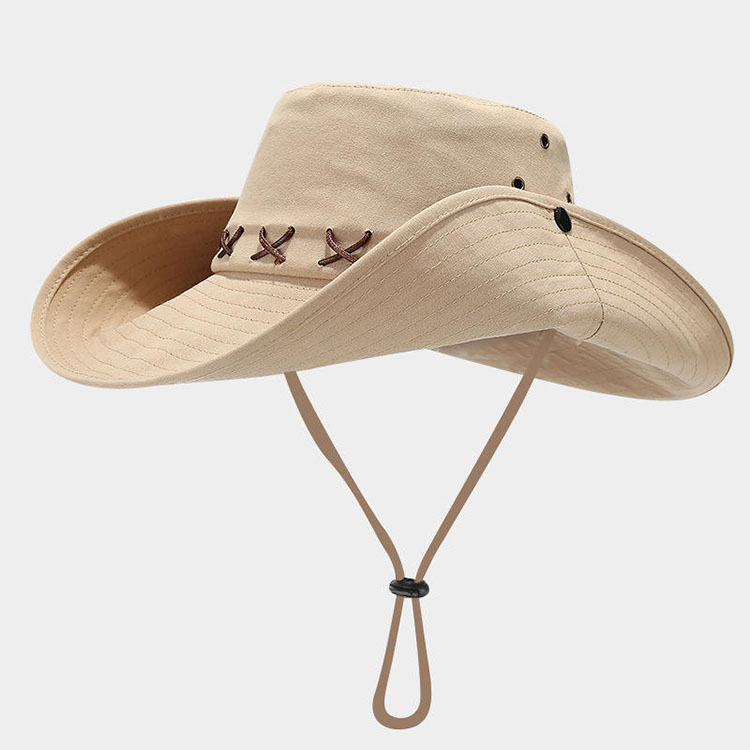
This part bites. The Federal Trade Commission says most textile and wool products must disclose fiber content, country of origin, and the identity of the responsible business, while the FTC’s separate care-label rule covers textile wearing apparel but exempts hats from that specific care-label requirement. That means a bucket hat project can still become a labeling problem even when a team assumes “it’s just headwear.” How many merch managers actually know that distinction?
And origin language gets ugly fast. In July 2024, the FTC’s guidance on Made in USA claims restated the standard that an unqualified claim must be “all or virtually all” made in the United States; then, in November 2024, the agency said it was sending more than $140,000 to consumers deceived by false “Made in USA” claims from Chaucer Accessories and Bates Accessories. If you are selling branded bucket hats online with patriotic copy, flags, or suggestive origin wording, you are already in enforcement territory whether your team admits it or not.
I’m blunt about this. If your supplier cannot state, in writing, what the shell fabric is, where the hat was cut and sewn, where the trims came from, and how the final label wording should read for your market, then you do not have a premium custom program. You have a liability draft.
Here’s the part brand decks avoid: the global apparel chain is still full of blind spots, and customs enforcement has gotten much less patient with fuzzy cotton sourcing. In September 2023, Reuters reported that roughly 27% of tests performed on shoes and garments collected by U.S. Customs and Border Protection in May showed links to cotton from Xinjiang, with 13 of 86 total tests returning results consistent with Xinjiang cotton. That should terrify any brand casually buying “bulk custom bucket hats” on price alone.
I’ve never understood why brands will spend weeks debating Pantone shades, then spend almost no time asking how cotton provenance, subcontracting layers, or final inspection actually work. Isn’t that backwards?
This is where operational pages do real trust-building work. If a prospect is evaluating your process, they should be able to move naturally from quality control for custom hats to the packing and shipping process and then into sustainable hat manufacturing, because those are the pages that answer grown-up buyer questions: What gets checked, when does it get checked, how is it packed, what happens if timelines move, and what material options are actually available?
I love creative direction. But. If you cannot define target retail price, target landed cost, order quantity, logo method, and channel before sampling, your art board is just an expensive delay mechanism.
For how to design custom bucket hats for your brand, I’d lock six decisions before a first sample: fabric family, brim width, crown depth, logo technique, inside branding, and packaging intent. Then I’d ask one ugly question that too many teams avoid: is this hat supposed to sell, or is it supposed to be handed out? Because those are different products, even when they share the same silhouette.
One sample is not enough. A photo is definitely not enough. And a supplier’s assurance that “bulk will be better” is one of the oldest lines in this business.
I want to see embroidery tension, edge binding, interior seam tape, label stitching, brim symmetry, head fit across sizes, and what the hat looks like after packing compression. That is why I prefer brands that direct serious buyers to design support for custom hats before they talk about scale, because the sample stage is where margin leaks and disappointment usually begin.
A bulk custom bucket hats order is only profitable when specifications survive translation from sales chat to production file to QC checklist to carton plan, because every ambiguous detail becomes rework, delay, or silent quality drift. Why do so many brands still treat the purchase order like a formality?
My bias is simple. I would rather delay a PO by five days and tighten the spec pack than rush into production with unclear logo size, missing label wording, undefined tolerance, and a shipping plan invented after cartons are already taped.
I know screen print has its place. I know sublimation can look sharp. I know certain event-driven campaigns need cheaper execution. Still, embroidered bucket hats usually outperform other options when the brand wants a product that looks intentional, photographs well, and survives repeated wear without feeling like a cheap billboard.
That said, embroidery is not automatically premium. Bad embroidery on weak twill is still bad embroidery. I’ve seen “premium” hats ruined by over-digitized logos, stiff backing, and crown distortion that made the front panel buckle like cardboard. So yes, I prefer embroidery, but only when the hat was built to carry it.
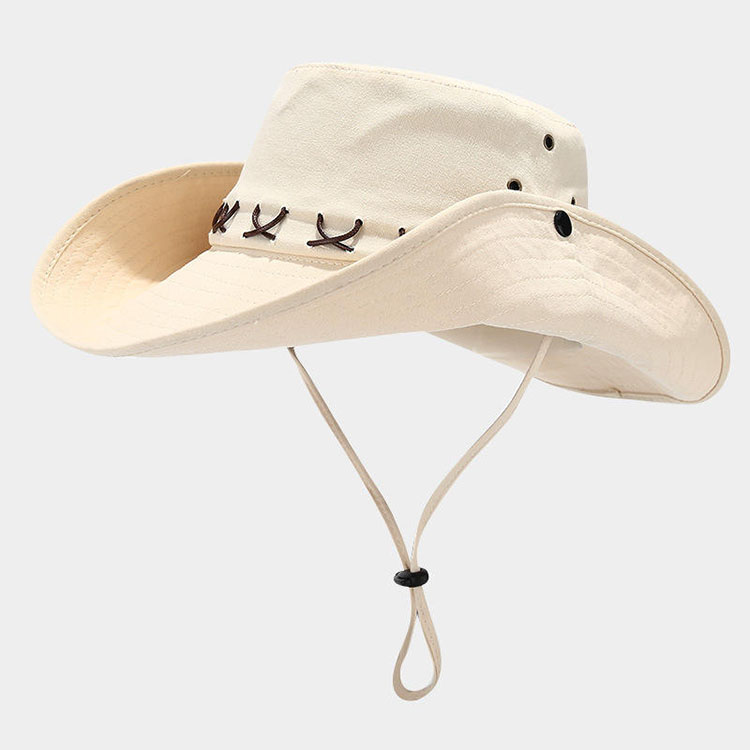
A custom bucket hat is a soft-brimmed headwear product manufactured with brand-specific choices such as fabric, brim shape, crown depth, logo application, inside labels, and packaging details, so it functions more like a compact private-label SKU than a generic promotional freebie. In practice, that means brands should evaluate it the same way they would evaluate apparel: material, fit, finish, compliance, and margin.
The best fabric for promotional bucket hats is the material that matches the campaign’s actual use case, decoration method, target cost, and expected wear cycle, with cotton twill, washed cotton, canvas, and recycled synthetics each serving different goals in comfort, structure, and logo performance. I would choose cotton twill or washed cotton for classic embroidered programs, and technical or recycled blends only when the brand story and end use justify them.
Bucket hats generally need accurate product identification and origin information where applicable, even though hats are exempt from the FTC’s specific care-label rule for textile wearing apparel, which is exactly why brands should separate “care instructions” from “fiber and origin disclosures” instead of treating them as the same issue. The lazy move is assuming no neck label means no compliance burden. It doesn’t.
The minimum order for bulk custom bucket hats is the smallest production quantity a factory will accept for a defined combination of fabric, color, logo method, and packaging setup, and it varies because embroidery setup, sourcing availability, and carton efficiency all affect commercial feasibility. In other words, MOQ is not just a number. It is a cost structure disguised as a sales term.
Embroidered bucket hats are usually better for brands that want stronger perceived value, cleaner logo permanence, and more resale-friendly presentation, while printed bucket hats make more sense for large graphics, lower-cost event programs, or all-over artwork that embroidery would distort or overbuild. I lean embroidery for brand equity. I lean print for volume promotions and graphic-led campaigns.
If you are serious about launching custom bucket hats, stop shopping for a hat and start building a spec. Start with the buyer journey, tighten the fabric and logo method, clean up the labeling language, and make your internal links do actual selling work by pointing readers to custom caps and hats manufacturing, design support for custom hats, custom labeling and packaging, quality control for custom hats, packing and shipping process, and sustainable hat manufacturing.
That is the move. Not more mood boards. Not another vague quote request. Build a tighter brief, demand a smarter sample, and make the hat earn the logo.
Copyright© 2026 Hat Manufacturer. All Rights Reserved.
