All You Need Is An Idea!
Our skilled team is here to bring it to life.
Our skilled team is here to bring it to life.
Most buyers judge a hat factory by price, photos, and speed. I think that is backward. The real test is whether a custom hat manufacturer can prove compliance, control quality, document materials, and survive a shipping shock without wrecking your margin.
Most buyers don’t.
I’ve watched brand owners obsess over embroidery size, visor curve, and unit price, then lose money on the boring stuff that actually decides whether a factory is worth trusting: origin claims, labeling accuracy, sample discipline, carton planning, and whether the person quoting you today is still reachable once 1,200 caps are halfway through sewing. Why does that keep happening?
Because the market rewards polished front-end selling and hides back-end failure until it is expensive enough to hurt.
That is not theory. In April 2024, the FTC announced a record $3.175 million civil penalty against Williams-Sonoma for false “Made in USA” claims, while the FTC’s own guidance says unqualified U.S.-origin claims must meet the “all or virtually all” standard and textile products still have country-of-origin disclosure requirements; meanwhile, Customs scrutiny is not getting softer, and Reuters reported that the U.S. barred imports from 26 Chinese cotton traders and warehouses in May 2024 over forced-labor concerns tied to Xinjiang sourcing. That means your hat factory is not just a sewing partner; it is a compliance risk sitting inside your margin.
And shipping? Still volatile.
Reuters reported in February 2024 that about 12% of global trade and 30% of global container traffic passes through the Red Sea, with diversions adding up to two weeks, and by May 2024 spot rates from China to North Europe had climbed to $4,615 per 40-foot container while China to the U.S. East Coast hit $6,061. So when a hat factory says “delivery is no problem,” I want details, not reassurance. Don’t you?
1. Are you the actual hat factory, or a trading company managing multiple workshops?
I ask this first because everything downstream changes if the supplier is brokering production. Communication slows, accountability blurs, and “we’ll check with the workshop” becomes your least favorite sentence.
2. What exact files do you need from me to quote and sample accurately?
A serious custom hat manufacturer should ask for AI, EPS, PDF, PSD, tech packs, reference images, logo placement notes, and construction details, not just “send logo.” If you want a cleaner handoff, force the conversation into a documented design support for custom hats process instead of endless chat screenshots.
3. What part of the product are you developing from scratch, and what part is standard?
This is where fake customization gets exposed. Some factories are really offering color swaps on stock bodies, while others can change crown structure, brim shape, buckram, closure, eyelets, sweatband, and decoration method.
4. What does the sample approve: shape, material, logo method, measurements, or all of it?
I want the supplier to define approval in writing. If sample approval is vague, bulk production becomes a debate instead of a process.
5. Can you document the country of origin for the finished hat and the main inputs?
This is not a paperwork fetish. It is how you avoid selling one story while importing another.
6. What must legally appear on my labels, hang tags, or packaging for my target market?
The FTC says textile products generally must disclose fiber content, country of origin, and the identity of the manufacturer or responsible business, and its July 2024 guidance makes clear that sloppy or overstated origin language can trigger penalties. If a private label hat manufacturer offers branding, make them walk you through the custom labeling and packaging options page and then tell you exactly what they will print, where, and why.
7. Do you source cotton, polyester, recycled polyester, nylon, or trims from suppliers you can name and verify?
Hard truth: “trust us” is not a sourcing system. If a factory cannot identify mills, trim vendors, or recycled-content claims with actual documentation, your sustainability story is probably marketing foam.
8. If you say ‘sustainable,’ what standard are you actually using?
I am not impressed by vague green language. I want to know whether the factory is pointing to specific material options such as GRS-related claims or simply dropping words like “eco” into a quote; if they are serious, they should be able to connect that claim to their sustainable material options and explain what is available by style, budget, and sourcing window.
9. What are your measurement tolerances for crown height, brim length, circumference, and logo placement?
If they answer with feelings, leave. I want numbers, photos, and a signed sample spec.
10. At what stages do you inspect: incoming materials, in-line sewing, finishing, and pre-shipment?
A competent hat factory should be able to map inspection by stage, not just say “we check before shipping.” The site’s own quality control process describes material inspection, visual inspection, measurement checks, and final review, which is the right direction, but in a real factory conversation I would still ask for defect thresholds, rework rules, and who signs the report.
11. Can you send bulk-production photos and videos, not just polished sample shots?
I always ask for inside views: seam tape, sweatband joins, embroidery backside, visor stitching, closure attachment, and carton packing. Nice hero photos prove taste. Ugly progress photos prove reality.
12. What goes wrong most often on your custom caps and hats, and how do you prevent it?
This question makes people honest. The best factories answer fast: puckered embroidery, off-center front logos, brim curvature drift, shade variation, crushed crown panels, delayed labels, wrong carton marks. The weak ones pretend defects are mythical.
Paper beats promises.
Below is the grid I use before I send a deposit, because a quote sheet without proof is just mood board accounting.
| Area | What to ask the hat factory | Proof I want to see | Red flag |
|---|---|---|---|
| Factory identity | Are you manufacturing in-house or subcontracting? | Workshop photos, production flow, address, team names | “We handle everything” with no operational detail |
| Sampling | What exactly is fixed at sample approval? | Signed sample spec, annotated mockup, measurement sheet | “Bulk will be similar” |
| Labeling | What origin and fiber disclosures apply? | Draft care label, hang tag copy, packaging artwork | Sales rep guesses legal wording |
| Sourcing | Where do cotton, polyester, trims, and labels come from? | Supplier list, material sheet, recycled-content support if claimed | “Our supplier is stable” with no documents |
| QC | What is your inspection sequence? | In-line QC photos, measurement checklist, final inspection record | Only final random photos |
| Shipping | Which mode fits my order and deadline? | Carton dimensions, packing method, Incoterm, transit estimate | No carton plan, no contingency |
| Branding | How do you manage private label details? | Label placement guide, packaging mockup, trim approval | Branding discussed only after bulk deposit |
The logic here is not fancy. It is legal exposure, consistency exposure, margin exposure, then timing exposure, in that order. The FTC’s current origin guidance, Customs enforcement around forced-labor-linked inputs, and 2024 freight spikes all point to the same lesson: the cheapest quote can become the most expensive PO once claims, materials, or transit assumptions collapse.
I see this mistake constantly.
An OEM & ODM service pitch sounds broad because it is supposed to sound broad, but your risk is different in each model: OEM means you already know what you want and the supplier executes to spec, while ODM means the factory is steering more of the development and you are trusting its templates, sourcing logic, and construction assumptions. So ask the ugly question: who owns the spec, and who eats the cost when the spec fails?
A lot of buyers treat packaging like the final cosmetic layer. I think that is backwards. Polybags, inner boxes, outer carton strength, carton counts, and compression tolerance change landed cost, damage rate, warehouse handling, and whether your hats arrive shaped like hats instead of collapsed fabric evidence.
That is why I’d rather read a factory’s packing and shipping workflow than stare at ten mood-board photos of embroidery. The site explicitly frames packing around product type, quantity, branding, destination, timeline, and shipping method, which is exactly how experienced buyers should discuss it; not “Can you ship fast?” but “How many units per carton, what Incoterm, what transit assumption, what backup route?”
That sounds harsh. It is also true.
I trust the supplier that pushes back on a bad artwork file, a weak fabric choice, an impossible lead time, or a self-contradictory origin claim. The dangerous factory is the one that says yes to everything because it needs the deposit more than it respects the process.
13. What is my MOQ by style, fabric, color, and logo method, not just by “hat”?
A factory FAQ that says MOQ depends on product type, design, material, logo application, and customization details is being more honest than the sales page that advertises one magic number for everything. Ask for the MOQ split by 6-panel baseball cap, trucker hat, bucket hat, embroidery, woven patch, screen print, and private-label packaging.
14. What is the real lead time for sample, revision, bulk production, inspection, and shipment?
I want a calendar, not a slogan. Sample ETA, revision ETA, production days, inspection days, booking buffer, and port-to-door estimate should all be separate lines.
15. What happens if bulk misses the approved sample or arrives late?
This is the money question. Ask about remake terms, credit terms, discount rules, defect percentages, and who pays if the problem came from their workmanship versus your approval mistake.
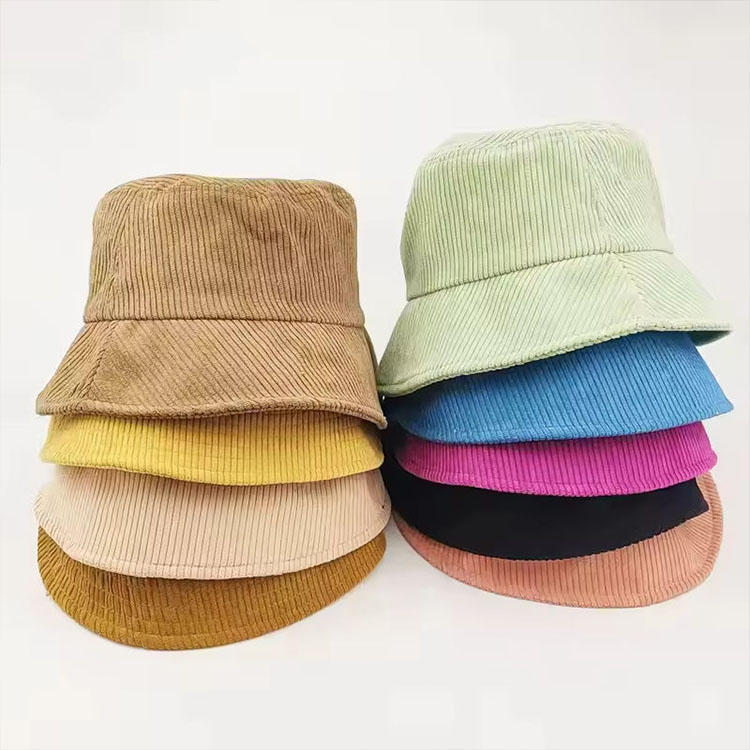
A good hat manufacturer is not simply a sewing vendor; it is a supplier that can document material sourcing, turn artwork into approved samples, hold measurement and logo consistency in bulk production, and explain labeling, packing, and shipping decisions before you pay a deposit. I choose by proof density, not by friendliness. If the factory can support design support for custom hats, quality control process, and packing and shipping workflow with real detail, it moves up the list.
The best questions to ask a hat manufacturer before bulk production cover factory identity, sample definition, material sourcing, label compliance, measurement tolerances, inspection stages, MOQ by variation, shipping method, and compensation if bulk fails the approved sample or misses the agreed delivery window. I’d add one more: ask what usually goes wrong. That answer tells you whether you are speaking to operations or only to sales.
MOQ for a custom hat manufacturer is the minimum order quantity required to make a specific hat style profitably, and it usually changes with fabric, color count, closure type, decoration method, packaging, and whether the factory is building a new sample pattern or running a familiar structure. In plain English, there is no honest universal MOQ. The site’s own FAQ says MOQ depends on product type, design, material, logo application, and customization details, which is exactly the answer I’d expect from a real factory.
A private label hat manufacturer should provide the documents that define the product, prove the claim, and protect the shipment: quotation, tech-pack confirmation, sample approval sheet, material details, label artwork, carton marks, inspection record, and shipping terms tied to a named Incoterm and destination. If the factory also discusses branded tags, care labels, woven labels, and packaging as part of its custom labeling and packaging options, that is a good sign, but only if those items are documented before bulk starts.
Custom cap production time is the combined timeline for development, sample approval, material preparation, bulk sewing, finishing, inspection, packing, and transit, which means the real answer depends on style complexity, revision count, order size, seasonality, and whether the shipment goes express, air, or sea. I do not accept one-number lead times anymore. I want the factory to separate sample, bulk, and shipping the same way its packing and shipping workflow separates delivery methods by urgency and volume.
Start smaller.
Send one clean brief to your shortlisted suppliers: target style, fabric composition, logo method, measurements, Pantone references, label requirements, packaging expectation, quantity by color, delivery window, and destination country. Then ask the 15 questions above in one email, not ten fragmented chats, and compare how each hat factory answers under pressure.
That is the test I trust.
And if you want to turn this article into an actual supplier screen, use it alongside the site’s hat & cap factory process, OEM & ODM service, design support for custom hats, quality control process, and custom labeling and packaging options pages, because a supplier that cannot answer those pages with specifics should not be holding your deposit.
Copyright© 2026 Hat Manufacturer. All Rights Reserved.
