All You Need Is An Idea!
Our skilled team is here to bring it to life.
Our skilled team is here to bring it to life.
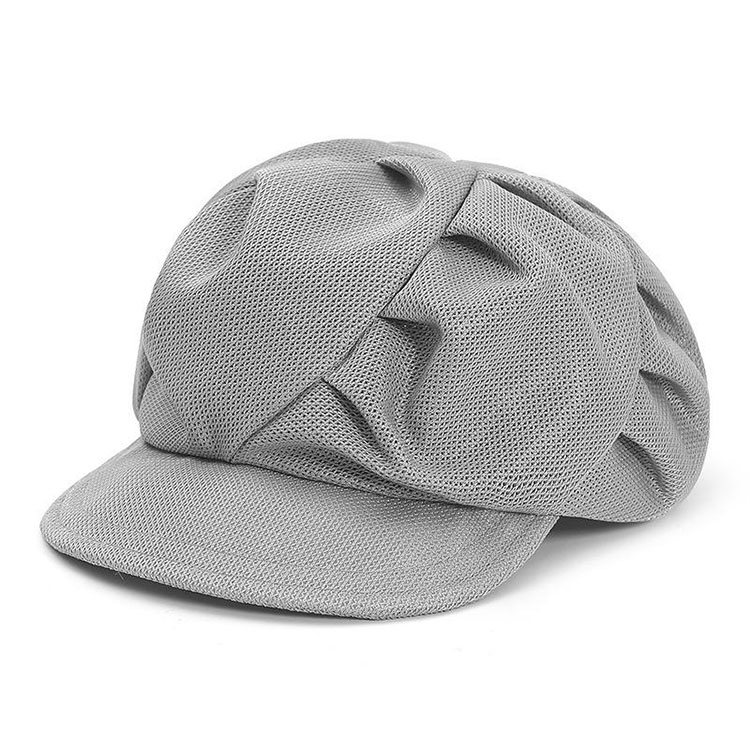
Most failed custom hat samples are not factory failures. They are briefing failures. Here is what I would lock before any sample request: vector logo files, silhouette, decoration method, materials, Pantone standards, labels, packaging, compliance notes, and a timeline that survives real-world shipping.
Bad samples kill.
I have watched brand owners send a low-res JPEG, type “make it premium” in a message, skip color standards, and then act offended when the first custom hat sample arrives looking like the wrong product for the wrong audience at the wrong price.
Why does this keep happening?
Before you start a custom hat sample, you need six things in writing: editable logo files, the exact hat silhouette, decoration method and placement, material and color standards, labeling and packaging instructions, and a review path for QC and shipping. On this site’s custom hat design support page, we already ask buyers to prepare AI, EPS, PDF, or PSD files, product references, and artwork with size or placement instructions before development starts.
Samples expose fantasy.
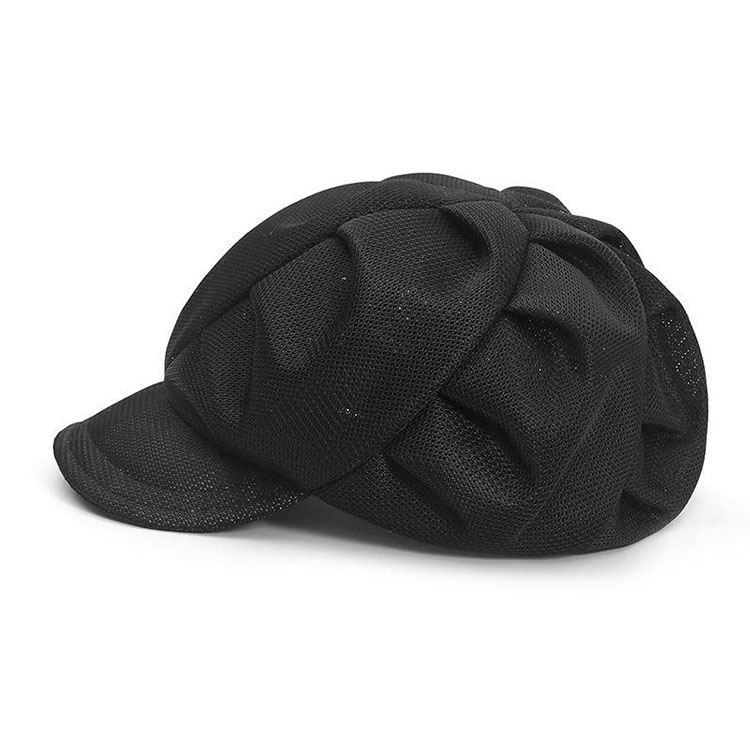
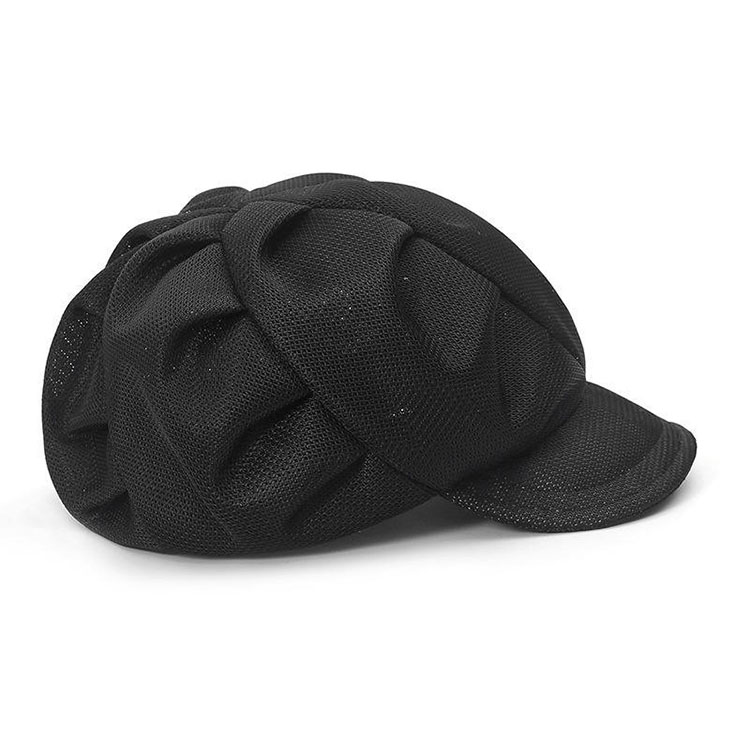
A factory can build a 6-panel baseball cap, a 5-panel camper, a mesh trucker, a washed dad cap, a bucket hat, or a youth cap, but it cannot read your mind, and the shape, panel count, crown profile, visor curve, closure, and fabric all change fit, cost, and decoration limits in ways too many buyers notice only after the first sample lands on the desk.
What exactly did you ask them to make?
That is why I tell people to stop saying “custom hats” as if it were one product. The site’s custom hats and caps manufacturing service makes the point clearly: the working menu includes baseball caps, snapbacks, trucker hats, dad caps, bucket hats, 5-panel caps, and kids’ hats, with support for sample making, logo application, packaging, and bulk production.
This part hurts.
I do not care how pretty the mood board is; if the logo has to be rebuilt, if the patch edge is undefined, if the embroidery width is missing, or if the artwork sits in a flattened screenshot instead of a usable file, your pre-production hat sample stops being a manufacturing test and turns into a rescue project. The design support page and the site’s custom labels and packaging page say the same thing in plain language: clear artwork files and placement instructions make logo use, label application, and packaging easier to manage.
Factories price details.
They do not price adjectives, and buyers who brief with words like “premium,” “clean,” or “streetwear” without pinning down twill weight, mesh type, buckram, visor shape, sweatband, patch material, or closure hardware usually buy themselves a second sample, not a first approval. The site’s hat and cap factory workflow and OEM custom caps service both frame the job as product development, sampling, branding customization, and coordinated production, which is exactly how serious buyers should frame it too.
| What must be locked | What I would write on the brief | What breaks when it is missing |
|---|---|---|
| Hat body | 5-panel or 6-panel, structured or unstructured, mid-profile or low-profile, curved visor or flat bill | The sample shape is wrong before decoration even starts |
| Fabric | Cotton twill, brushed cotton, polyester, nylon, mesh, washed finish, GSM if available | Hand feel, drape, stitch behavior, and price drift |
| Decoration | 3D puff embroidery, flat embroidery, woven patch, TPU/PVC patch, screen print | Wrong method, unreadable logo, higher stitch count, bad texture |
| Placement | Front center, side hit, back arch, underbill, internal tape, exact mm size | Logo looks oversized, off-balance, or too small to read |
| Color standard | Pantone code, thread match, fabric swatch, underbill color | “Close enough” becomes a remake argument |
| Trims and closure | Plastic snap, metal buckle, Velcro, rope, eyelets, seam tape, button color | Sample feels cheaper or more formal than planned |
| Branding extras | Woven label, size label, care label, hang tag, polybag, box | Sample looks unfinished and bulk packaging gets reworked |
| Approval rules | Photo approval or physical sample, revision count, target launch date, ship method | Endless revision loops and fake deadlines |
Logos have consequences.
Here is the hard truth: the moment your sample borrows a protected brand name, mascot, or trade dress as a source signal, you are not “just testing ideas,” you are stepping into trademark territory, and that argument gets expensive fast if the hat ever moves beyond your own desk.
Still think a sample is legally invisible?
Reuters explained in January 2024 that after the U.S. Supreme Court’s June 8, 2023 decision in the Jack Daniel’s case, the heightened artistic-use standard does not apply where a trademark is used as a designation of source for the seller’s own goods. And Reuters reported on July 9, 2024 that counterfeit branded clothing alone cost companies in France an average of €1.7 billion in lost sales each year between 2018 and 2021. I would show those two links to any founder who thinks “sample only” is a legal shield: Reuters on the Jack Daniel’s merchandising fallout and Reuters on France’s fake-fashion crackdown.
Age matters.
If your design is youth-sized, sold to schools, or promoted for children 12 and under, the compliance discussion belongs before sampling, not after, because classification affects testing, certificates, labeling, and recall exposure in ways that can turn a cute school cap into a paperwork mess with real cost attached.
Are you making a children’s product or not?
The U.S. CPSC guidance on children’s products says a children’s product is one designed or intended primarily for children 12 years of age or younger, with design, packaging, promotion, and intended use all part of the analysis. The agency’s tracking label guidance adds that children’s products need permanent marks that make manufacturer or private-label identity, production location and date, and batch or run information ascertainable.
Operations decide launches.
The sample is not finished when the embroidery looks good; it is finished when the approved build can survive material inspection, measurement checks, packaging review, and the freight choice that gets it where it needs to go without chewing up your launch window or your margin.
So why do buyers wait until the end to discuss QC and shipping?
This site already gives the sequence away. The quality control process for custom hats covers material inspection, visual inspection, measurement checks, functionality testing, and packaging review, while the packing and shipping page says packing and freight should be matched to product type, quantity, branding needs, destination, timeline, and order volume. In other words, the sample brief should also include tolerances, label copy, carton rules, and target ship method before sewing starts.
Timing is math.
In 2024, Reuters reported that rerouting around Africa’s southern tip in response to Red Sea disruption made trips 2–3 weeks longer for retailers sourcing from China and Southeast Asia, with added fuel and labor expense, which is exactly why I roll my eyes when a buyer promises a launch date before deciding whether samples move by express and bulk orders move by sea. Read Reuters on Red Sea retail delays if anyone on your side still thinks logistics is an afterthought.
And one more thing.
The site’s FAQ on MOQ, sample fees, mockups, revisions, and shipping is more useful than most brands admit. It says MOQ depends on product type, design, material, logo application, and customization details; mockups can be prepared before sampling; sample fees may in some cases be credited toward a bulk order; and changes after production starts can create extra cost or delay. That is not admin fluff. That is margin protection.
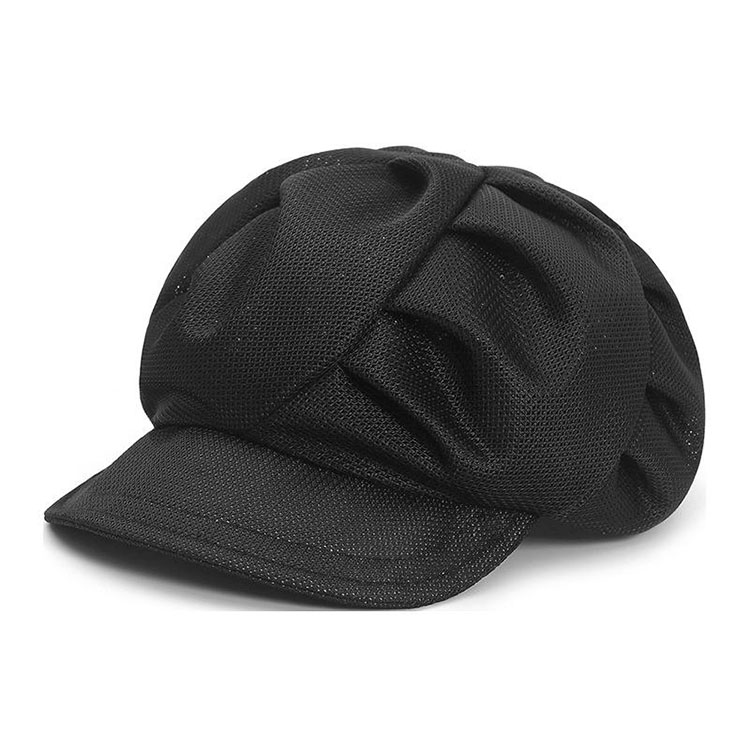
A custom hat sample is a pre-production unit built to verify shape, materials, decoration, measurements, and branding against written factory instructions before bulk manufacturing begins, which means it should be treated as the approval model for production rather than as a rough visual placeholder or a sales mockup. If the sample does not reflect the final spec, it cannot protect your bulk order from error.
The files you need before starting custom hat design are editable logo artwork, reference images or tech packs, color standards, and decoration notes that specify size, placement, labels, and packaging, because factories turn those assets into embroidery, patch, printing, sewing, and approval instructions. On this site, the recommended starting set includes AI, EPS, PDF, or PSD logo files, product references, and artwork with size or placement directions.
Hat logo size and placement are the measurement rules that tell a factory where branding sits, how large it runs, and which decoration method it uses, so they directly affect readability, stitch count, patch dimensions, visual balance, and the final unit cost of the custom hat sample. In plain English, “front logo” is not enough; you need exact width, height, and position.
A sample fee deduction is a commercial credit arrangement in which part or all of the pre-production sample cost is applied against a later bulk order after style, quantity, and final order terms are confirmed by the factory. This site’s FAQ says that sample fees can sometimes be credited toward bulk orders, but the answer depends on product type, order quantity, and final order details.
Kids’ custom hats need different compliance planning when they are designed or intended primarily for children 12 years old or younger, because that classification can trigger third-party testing, product certificates, and tracking-label obligations that do not apply the same way to general-use products. If you are near the line, decide that classification before sampling instead of gambling on it later.
Start with the boring file.
I mean that seriously, because the boring file is where good custom hats start: your vector logo, silhouette choice, Pantone references, decoration map, material callout, label plan, packaging notes, compliance flags, and approval rules. If you already have those pieces, send them through the design support page or review the custom hats and caps manufacturing service before requesting a quote. If you do not have them, stop asking for a sample and build the brief first. That is how you get a pre-production hat sample that tells the truth.
Copyright© 2026 Hat Manufacturer. All Rights Reserved.
