All You Need Is An Idea!
Our skilled team is here to bring it to life.
Our skilled team is here to bring it to life.
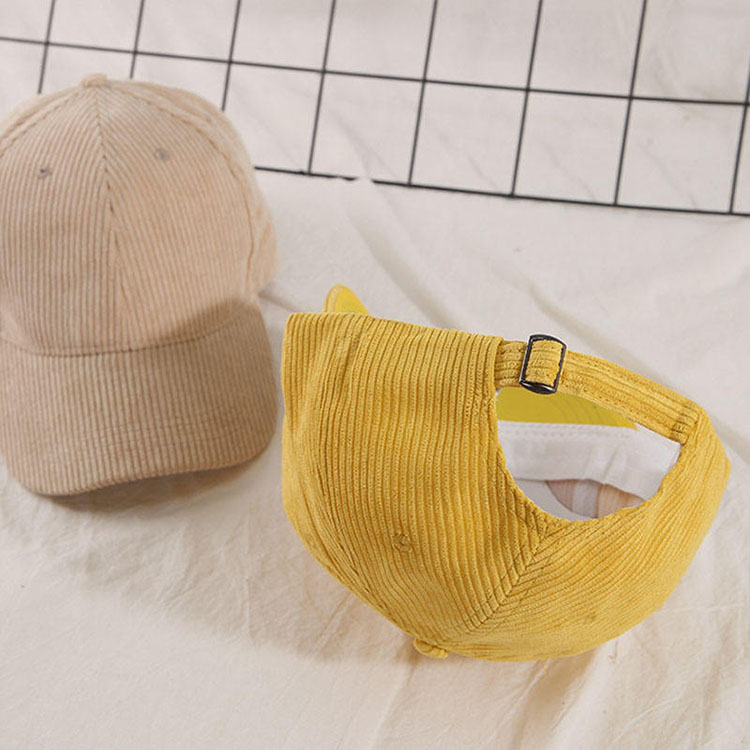
Cheap swag is easy. Brand equity is harder. This article explains why serious operators are moving toward private label hats, what the numbers say, and which factory-side details actually separate custom branded hats from forgettable promo junk.
Margins talk first. I have sat through enough sourcing calls, margin reviews, and “we just need merch fast” meetings to know that custom hats are no longer a side item for smart brands; they are a low-drama, high-visibility product class that gives founders more control over price, identity, reorder logic, and customer memory than most entry-level apparel ever will. Why pretend this is only about style?
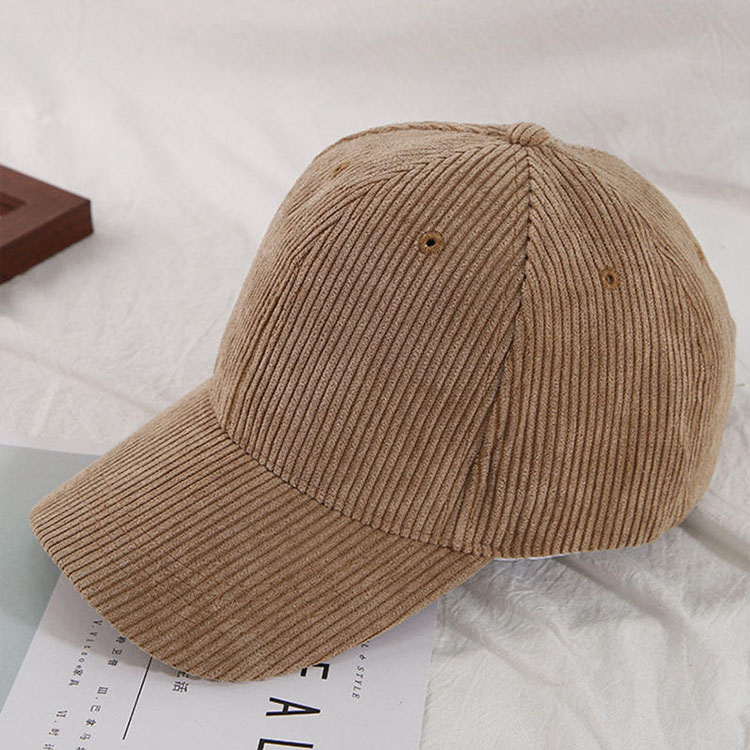
Private label stopped being a discount-store trick years ago, and the data finally caught up with what buyers already knew in private. PLMA’s 2024 Private Label Report said annual store-brand sales reached $236.3 billion, while the U.S. Census Bureau’s fourth-quarter 2024 e-commerce report put U.S. e-commerce sales at $1.1926 trillion for 2024, up 8.1% from 2023 and equal to 16.1% of total retail sales. My read is blunt: shoppers are more comfortable buying non-national-label goods, and online-first brands need physical products that carry identity off-screen.
Hats fit that opening. In the 2024 PPAI Sales Volume Report, U.S. promotional-products distributor sales reached about $26.78 billion, caps and hats were called out as a category with increased demand, and online sales represented 25.5% of total industry revenue. That is not random noise. That is demand moving toward branded, wearable, ship-friendly product.
And here is the hard truth I think too many founders avoid: blank wholesale custom hats with a logo slapped on the front are not the same thing as private label hats. One is decoration. The other is product ownership.
Return risk stays lower. I would rather help a brand dial in crown height, brim curve, closure type, sweatband feel, and patch placement on a run of 500 custom trucker hats than gamble on three hoodie fits, two fleece weights, and the usual sizing chaos that eats margin and patience. Who really wants to turn a simple brand extension into an apparel returns department?
The personalization signal is real, too. Reuters reported in July 2024 that Etsy beat expectations on steady demand for personalized gifts, with gifting GMS up 4.1% year over year and active buyers at 96.6 million in the quarter ended June 30, 2024. That does not mean every brand should run to novelty merch; it means buyers still pay attention when the item feels specific, owned, and worth keeping.
I’ve seen this play out the same way over and over. A branded cap can sit at the intersection of fashion accessory, community badge, event product, retail add-on, creator merch, and uniform piece, which is why private label headwear keeps winning internal budget fights against more complicated SKUs.
Three buckets matter. One sells fast, one sells well, and one builds equity.
| Factor | Blank wholesale hats with added logo | Private label custom hats | Licensed or off-the-shelf branded caps |
|---|---|---|---|
| Brand ownership | Weak | Full | Limited |
| Margin room | Thin | Strongest | Compressed by brand markup |
| Product differentiation | Low | High | Borrowed |
| Reorder consistency | Supplier-dependent | Brand-controlled if specs are documented | Brand-dependent |
| Packaging and labels | Generic | Fully customizable | Restricted |
| IP exposure | Low if generic | Manageable if original | High if copied or imitated badly |
| Long-term equity | Minimal | Compounding | Mostly benefits someone else |
That table is not theory. It is the decision tree. If you want speed and nothing else, buy blanks. If you want a product line, a better perceived value curve, and a cleaner moat, private label custom hats win.
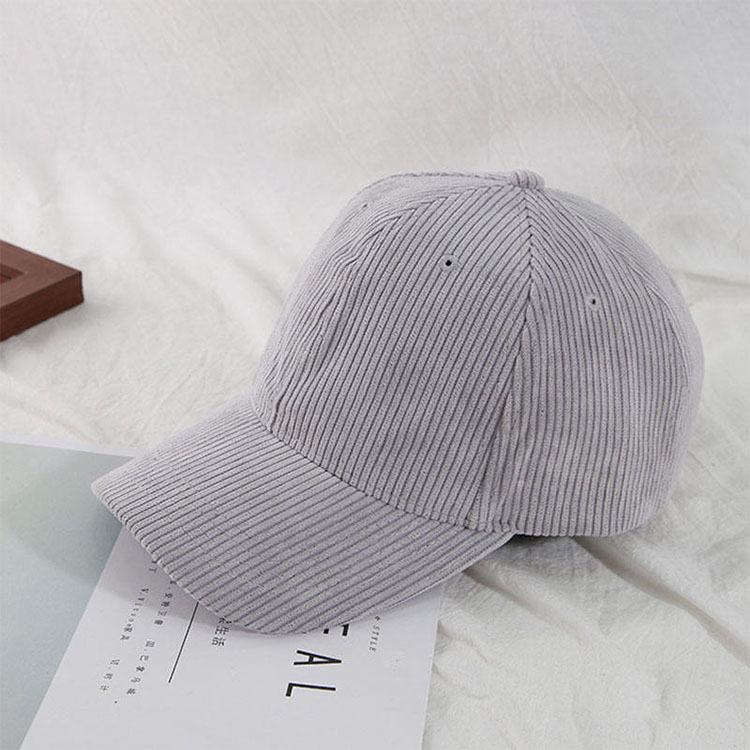
Details decide everything. Most custom branded hats fail because the buyer obsesses over the front logo and barely thinks about the body fabric, crown profile, closure hardware, mesh grade, taping, woven labels, hang tags, or pack-out method, even though those are the parts the customer actually touches, feels, and judges. Why keep pretending the embroidery file is the whole product?
When I map a serious program, I start with OEM custom hats manufacturing, move into design support for custom hats, then lock the brief around fabric sourcing and craft options, private label labels and packaging, and quality control for custom hat production. If the pitch includes recycled polyester (PET), organic cotton, or GRS-backed sourcing, I also want the supplier to talk through responsible hat manufacturing options.
Cotton twill says one thing. Foam-front mesh trucker construction says another. Recycled polyester says something else again, though only if the paperwork exists and the sourcing is real. I am skeptical by default here, because “sustainable” has become the easiest word in the category and one of the least verified.
This is why OEM custom hats appeal to founders who think beyond a launch photo. They can choose 5-panel campers for outdoor labels, washed dad caps for coffee and hospitality brands, structured snapbacks for streetwear, and custom trucker hats for events, retail promos, or creator drops without paying a brand tax to somebody else.
Here is a boring fact that matters a lot: inside labels, size labels, care labels, hang tags, and packaging are not decoration; they are proof that the product belongs to you. And yes, customers notice. A hat that looks custom on the outside but generic on the inside usually feels generic everywhere.
That is why private label hats outperform generic promo caps in repeat settings. They do not just advertise the brand. They behave like the brand.
I care more about inspection than about mockups. An extra week spent tightening stitch density, patch alignment, brim symmetry, closure function, and packing consistency saves more money than most brands ever recover with a pretty launch reel.
So when a supplier talks about sampling, material checks, measurement checks, and final inspection, I listen. When they only talk about “best price,” I assume a second invoice is coming later, either as defect loss, refund cost, or silence from customers who never reorder.
Copying gets expensive. A lot of early-stage brands drift into dangerous territory because they confuse “inspired by” with “safe to sell,” then learn the difference after inventory exists, money is sunk, and a lawyer gets involved. Was that really worth shaving a few days off product development?
The warning shot is not hypothetical. In June 2023, the U.S. Supreme Court ruled 9-0 for Jack Daniel’s in its fight with VIP Products over the “Bad Spaniels” parody dog toy, rejecting the lower court’s treatment of the product as protected “expressive work” in that context. Read it however you want, but I read it as a loud reminder that trademark owners still have teeth when source confusion is in play. See Reuters’ coverage of the ruling. (Reuters)
And customs enforcement is not asleep, either. U.S. Customs and Border Protection said in its FY2024 intellectual-property materials that it seized more than 32 million counterfeit items worth over $5 billion for IP violations. If you are building private label headwear, that means your safest path is still the obvious one: original artwork, documented approvals, and clean sourcing. See CBP’s FY 2024 IPR Fact Sheet.
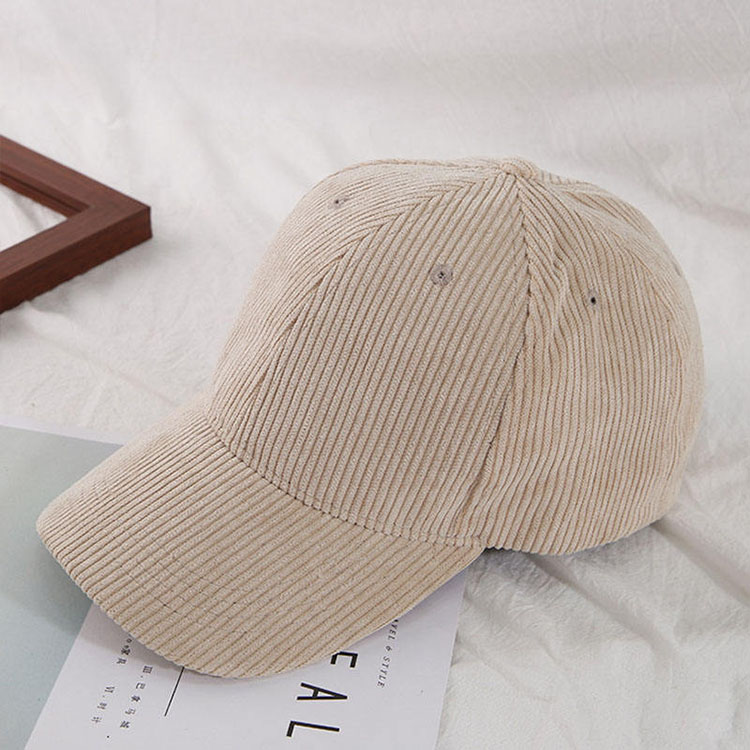
Private label hats are headwear products manufactured by a third-party factory to your specifications and sold under your own brand name, with your own labels, trims, packaging, materials, and artwork rather than the supplier’s public brand or stock identity. They let you own the presentation, pricing logic, and reorder system. That is the real appeal, not just the logo on the front.
Custom hats are better than generic promotional caps when a brand needs repeatable quality, stronger perceived value, and more control over details such as fabric, fit, closure, labeling, and packaging instead of relying on a blank item that dozens of other companies can buy and decorate. I think this is where most buyers get lazy. They buy “cheap,” then wonder why the product feels disposable.
Starting a private label hat brand means choosing a target customer, defining 2-4 core silhouettes, building original branding assets, selecting material and trim specs, approving samples, documenting QC points, and launching with a reorder plan rather than treating the first PO like a one-off experiment. My advice is simple: start narrow. One excellent dad cap, one strong 5-panel, one dependable custom trucker hat. That beats seven mediocre styles every time.
The best custom hats for brand promotion are the styles that match the audience, price point, and use case most naturally, usually washed dad hats for broad lifestyle appeal, trucker hats for events and outdoor categories, and structured snapbacks or 5-panel caps for streetwear, retail drops, and creator-led brands. I would not choose by trend alone. I would choose by who will actually wear it twice a week.
OEM custom hats are not only for huge wholesale orders, but they do work best when a brand has enough volume to justify sampling, spec control, labeling, packaging, and repeat manufacturing rather than one-off decorated blanks with no real product system behind them. Small brands can do it. Undisciplined brands usually should not.
Start smaller. Start smarter. If you are serious about building custom hats that look like a brand instead of a giveaway, begin with a clear product brief, then move through OEM custom hats production, design support, fabric and craft selection, private label packaging, and quality control planning before you chase price. That is the sequence I trust.
And yes, ask harder questions. Ask about sample lead time, material substitutions, artwork approval, closure hardware, sweatband quality, carton standards, inspection points, and sustainability claims. Then ask for proof. That is how private label hats stop being “merch” and start becoming product.
Copyright© 2026 Hat Manufacturer. All Rights Reserved.
