All You Need Is An Idea!
Our skilled team is here to bring it to life.
Our skilled team is here to bring it to life.
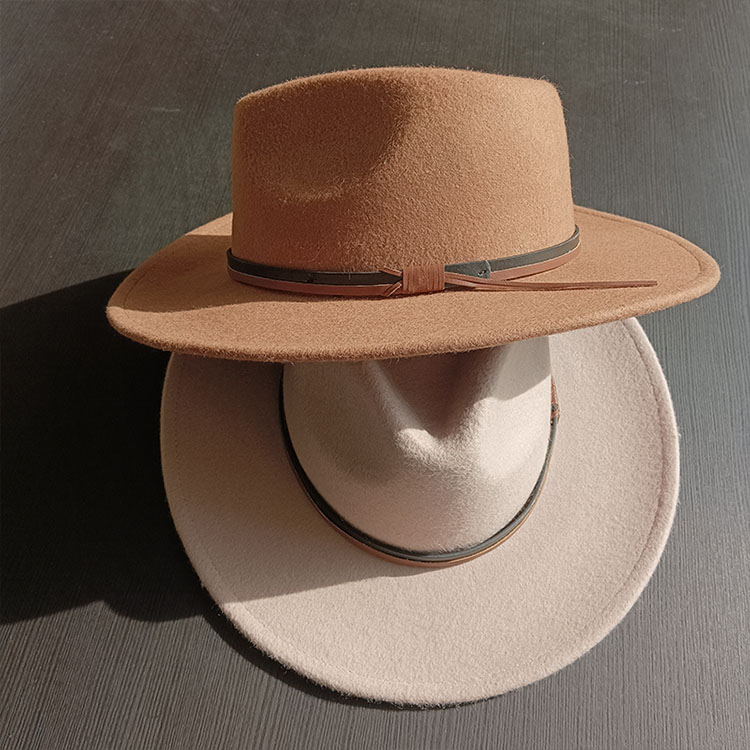
A blunt, factory-level breakdown of mixed-color and mixed-size custom hat orders, backed by 2024 data, legal labeling rules, and a smarter internal-link strategy for customhatsmanufacturer.com.
Usually, yes.
Most factories will let you mix colors far more easily than they will let you split true sizes, because color changes often stay inside one approved pattern and one sewing workflow while size changes can alter cutting ratios, sweatbands, closures, labels, inspection points, and even carton counts in ways buyers rarely price correctly on the first pass. Why pretend this is a simple yes-or-no question?
I’ll say the quiet part out loud: a lot of sellers answer this with a broad “of course” because it converts, not because production likes it. Your own site is more honest than that. The live FAQ about mixed colors and MOQ says mixed colors may be possible depending on style, fabric availability, and production arrangement, while the custom hats and caps manufacturing page frames the offer around OEM/ODM support, logo application, packaging support, and bulk production. That is the right frame. Not fantasy.
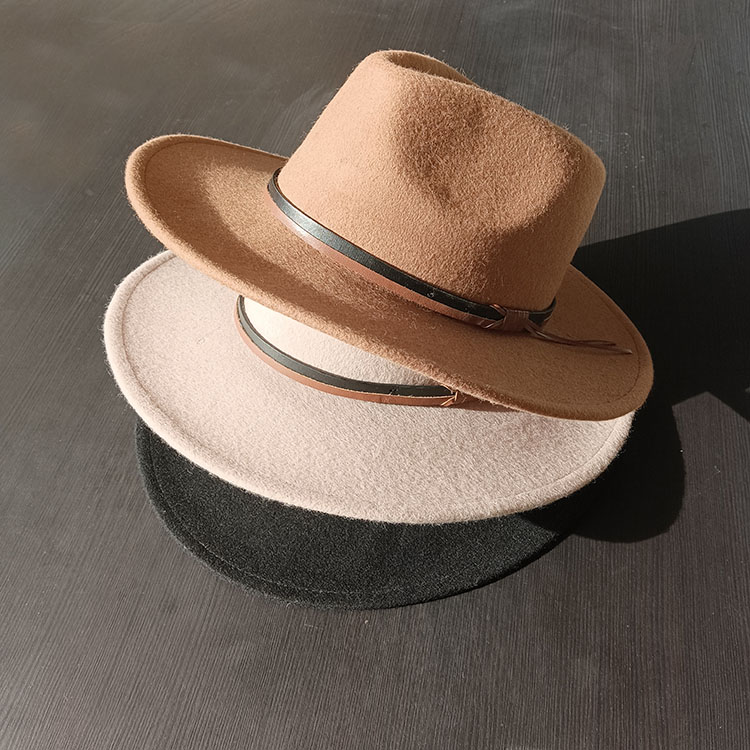
Color splits are the easier win.
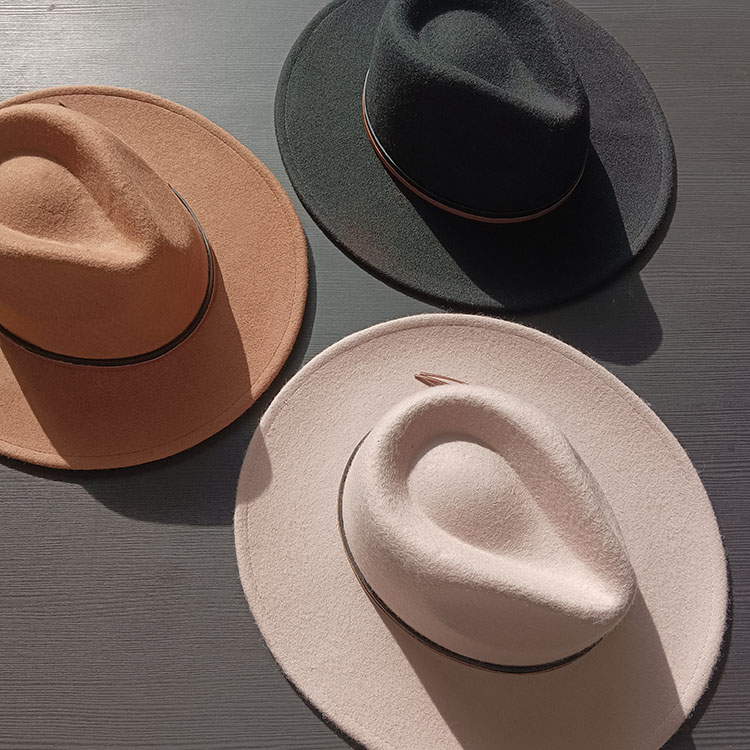
If you are ordering a black, khaki, and forest-green run of custom hats in the same cotton twill, with the same flat embroidery file, same 6-panel crown, same snap closure, and the same interior finishing, the factory is not reinventing the product; it is managing fabric allocation, thread matching, and packing discipline. Isn’t that a very different problem from asking for one run to cover S/M, L/XL, fitted, snapback, and buckle-back at once?
That demand for personalization is real, not imagined. In July 2024, Reuters reported on Etsy’s results: gifting gross merchandise sales rose 4.1% year over year and active buyers hit 96.6 million, even while consumers stayed selective on non-essential spending. I read that as a market signal: people still pay for tailored product, but they do not forgive sloppy execution.
Size is not cosmetic.
When buyers ask to mix sizes, what they often mean is, “Can I keep one quote but add complexity without paying for complexity?”, and factories hear the subtext immediately because fitted sizes, sweatband measurements, crown depth tolerance, closure selection, labeling, and final QC all become more fragile once you break the order into multiple size buckets. Why would a factory treat that like a free add-on?
This matters because sizing mistakes are where margin leaks out. According to MIT Sloan’s 2024 write-up on clothing returns, online clothing return rates in one studied retailer ranged from 13% to 96%, averaging 56%, versus 3% in store. Hats are not leggings, obviously, but the operational lesson carries over cleanly: fit uncertainty costs money, and any supplier who shrugs at size planning is telling you they expect you to absorb that cost later.
Here is the hard truth.
A custom hat order only stays “one order” in the factory’s eyes when the bill of materials, sewing sequence, decoration method, and inspection standard remain stable enough to run efficiently, and once one of those pillars moves, your neat spreadsheet starts behaving like several smaller orders pretending to be one. Still think all splits are equal?
| Order variable | Usually mixable in one custom hat order? | What the factory checks first | Cost risk | Delay risk |
|---|---|---|---|---|
| Same style, multiple colors | Often yes | Fabric stock, per-color MOQ, thread match, carton split | Low to medium | Low to medium |
| Same style, multiple fitted sizes | Sometimes | Size components, measurement tolerance, labels, packing ratio | Medium | Medium |
| Same style, different closures | Sometimes, but less cleanly | Trim stock, sewing steps, fit consistency | Medium to high | Medium |
| Same style, different logo methods | Rarely | Separate embroidery files, backing, heat transfer setup, QC standard | High | High |
| Same style, different fabrics | Rarely | New sourcing, sampling, machine settings, feel and shrink behavior | High | High |
| Same style, different packaging specs | Yes, with planning | Labeling, inner packs, carton marks, destination rules | Medium | Medium |
I’ve seen buyers wreck a clean 144-piece run by demanding two colors, three closures, 3D puff on half the units, flat embroidery on the rest, and individual retail boxing for only one market. That is not one custom hat order. That is four small operational problems wearing the same logo.
And the sector is large enough now that operational sloppiness is a choice, not an accident. According to the official 2024 PPAI Sales Volume Report, U.S. promotional-products sales grew 2.63% to $26.78 billion in 2024, online sales contributed 25.5% of total industry revenue, and caps and hats saw increased demand. In other words, branded headwear is not a side hustle category anymore; it is big enough that factories will optimize for repeatable process, not buyer improvisation.
The decision is upstream.
Factories do not really decide on mixed colors or mixed sizes at the payment stage; they decide when they see the artwork, the fabric callout, the trim list, the label plan, and the shipping profile, which is why your strongest conversion path is not a vague category page but a process-driven cluster built around design support for logo files and mockups, custom labels and packaging, the quality control process, and packing and shipping options. That is where serious buyers get their objections answered.
I would be blunt in the copy: mixed colors are usually easier when the hat body stays the same; mixed sizes are usually easier on adjustable hats than on fitted programs; and both become safer when the buyer sends vector artwork, Pantone references, quantity by color, quantity by size, closure type, label notes, and destination country before sampling. Why make the factory guess?
There is also a compliance angle too many merch sellers bury. The FTC’s apparel labeling guidance says most textile and wool products sold in the U.S. need labels showing fiber content, country of origin, and manufacturer identity, and the agency also notes care-instruction requirements. So when buyers ask for mixed sizes or retail-ready packaging, that conversation is not just about aesthetics; it bleeds into labeling, presentation, and import readiness.
I checked the live pages.
Based on the navigation and accessible URLs I could verify, I would push internal authority into the service and manufacture pages, not into thin placeholders, because the real persuasion assets on this site are process pages that explain development, labeling, QC, and delivery rather than “coming soon” product shells. Isn’t that the smarter SEO move when you want topical authority and actual conversions?
Here is the play I would run inside this article and across the cluster. Early in the piece, I would link “custom hats and caps manufacturing” to the OEM & ODM custom caps and hats page. In the section about pre-production files, I would link “logo files and artwork approval” to Design Support. In the section about size splits and retail readiness, I would link “size labels, care labels, and branded packaging” to Custom Labels & Packaging. In the section about risk control, I would link “five-step quality control process” to Quality Control. In the delivery section, I would link “shipping methods for bulk custom hats” to Packing & Shipping. And near the main answer, I would link “mixed colors for 25pcs” to the site FAQ.
I would not waste internal-link equity on category or product URLs that still render a placeholder message like “Great things are on the horizon,” including the live snapback category and several product pages I checked. That is dead weight for users and weak fuel for rankings.
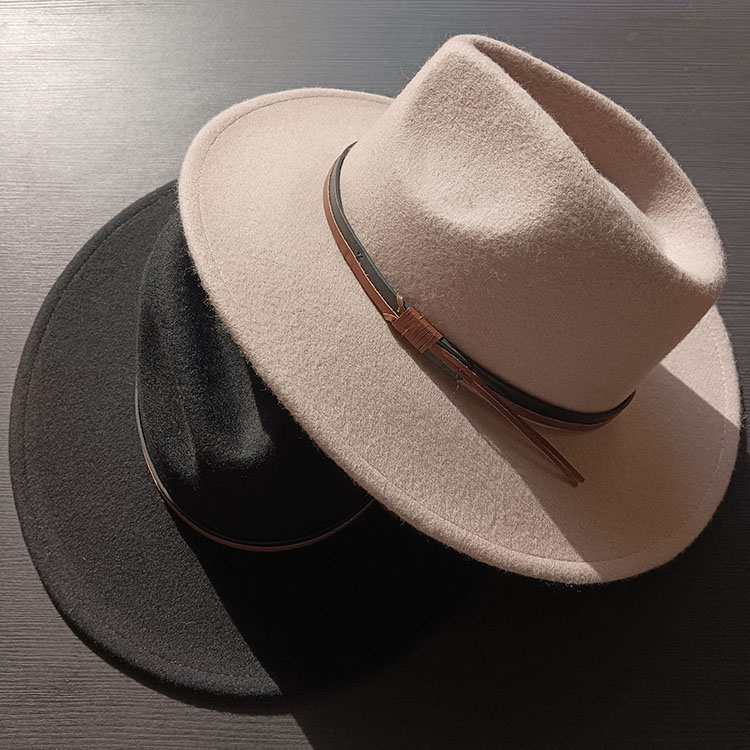
Yes, mixing sizes in a custom hat order usually means keeping one approved hat construction, fabric, closure, logo method, and colorway while dividing finished units across two or more size specs, subject to minimums, stock components, measurement tolerances, and final carton ratios set by the factory.
In practice, adjustable hats make this easier than fitted hats. If the order also needs special labels or retail packaging, send that upfront through your design support and custom labeling brief instead of mentioning it after sampling.
Yes, mixing colors in a 25-piece custom hat order usually means splitting one approved hat style across multiple colorways while keeping the same fabric family, logo placement, and construction details, but approval depends on fabric stock, dye availability, thread matching, and whether the factory’s minimum per color can still be met.
Your own FAQ page already says mixed colors may be possible depending on style, fabric availability, and production arrangement. I would keep that answer, but make it even sharper by adding that same-style, same-logo orders are the safest candidates.
Usually, mixed colors raise cost when they create separate material pulls, more thread changes, extra approvals, or slower packing, while mixed sizes raise cost when they require distinct measurement control, size labels, carton ratios, or fitted components that break the efficiency of a single standardized production run.
That is why a “cheap” quote can become expensive later. The safer route is to define the split before sampling, then connect buyers to the quality control process and packing and shipping options so they understand where the cost actually comes from.
A complete custom hat brief is a factory-ready document containing logo files, Pantone references, target quantity, color split, size split, closure type, decoration method, label requirements, packaging notes, shipping destination, and timeline, so the supplier can quote the real order instead of a fantasy version of it.
If you skip any of that, the factory fills the gap with assumptions, and assumptions are where orders go sideways. Use the site’s Design Support page for artwork prep and the Custom Hats & Caps Manufacturer page for spec alignment before you ask for a final bulk quote.
Here’s my advice.
If you want to sell this article and close better leads, do not promise that every custom hat order can mix anything. Promise something smarter: yes, you can often mix colors or sizes in custom hats, but approval depends on style stability, fabric stock, decoration consistency, labeling requirements, and factory-ready quantity planning. Isn’t that the answer serious buyers actually trust?
So build the next step into the page. Ask the buyer for six things: hat style, total quantity, color split, size split, logo file, and delivery country. Then route them to Design Support, Custom Labels & Packaging, and your FAQ before they ever hit the quote form. That is how you turn a vague “Can I mix colors or sizes?” question into a clean, profitable bulk custom hats conversation.

Copyright© 2026 Hat Manufacturer. All Rights Reserved.
