All You Need Is An Idea!
Our skilled team is here to bring it to life.
Our skilled team is here to bring it to life.
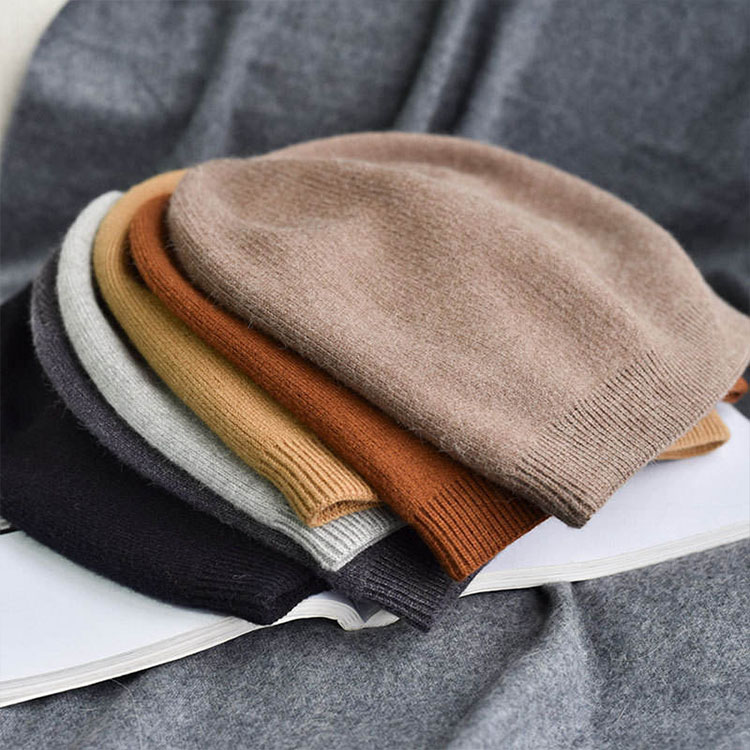
I do not trust a factory because it says “OEM & ODM.” I trust a factory when it can explain materials, decoration methods, sampling, inspection tolerances, packaging, and freight risk in writing. Here is how to choose the right custom hat manufacturer for your brand with fewer blind spots and better leverage.
That is backwards.
I have watched founders obsess over a beautiful first sample, ignore the factory’s process, skip the ugly questions about subcontracting, tolerances, label compliance, and freight routing, and then act surprised when the bulk order arrives with softer crown structure, off-tone embroidery, or cartons that look like they lost a fistfight in transit.
What did they think would happen?
The hard truth is simple: a good sample proves a factory can make one hat; it does not prove that your custom hat manufacturer can hold shape consistency across 500 pieces, match Pantone references across dye lots, keep 3D embroidery density stable, or ship on time when freight gets ugly. The manufacturer you want is not the friendliest one. It is the one with the clearest system. That distinction matters even more in custom hats for brands, where one bad run can poison retail sell-through and reorder confidence in a single season.
This matters on this site, too. The public architecture already points buyers toward the right journey: design support for artwork and tech packs, custom fabric and craft options, custom caps and hats manufacturing, custom labels and packaging, quality control, and packing and shipping support. That is the right buying sequence because real production failure usually starts upstream, then shows up downstream.
Three words first.
Ask for proof.
A serious custom headwear manufacturer should be able to show how a project moves from logo file to sample, from sample to approved spec, from approved spec to in-line inspection, and from final inspection to packed carton, because factories that cannot describe their own workflow usually do not control it, they improvise it.
Why would you pay for improvisation?
If your so-called manufacturer cannot turn your logo, reference image, and target price into a clean spec sheet with material choice, crown profile, brim shape, closure type, sweatband details, decoration method, label placement, and packaging notes, stop there. That is not production support. That is order taking. The site’s design support page correctly asks for AI, EPS, PDF, PSD, sketches, mockups, and artwork placement details. I like that because real projects die when those files are vague.
A capable custom cap manufacturer should talk materials like an operator, not like a catalog. Cotton twill, canvas, brushed cotton, mesh, corduroy, microfiber, acrylic blends, foam-backed fabrics, organic cotton, recycled polyester, and recycled nylon all behave differently under embroidery tension, washing, heat transfer, and long-haul packing pressure. If the answers stay fluffy, the sample probably got lucky. The site’s fabric sourcing support and sustainability page already position material choice as part of performance, budget, and branding, which is exactly how I would frame it.
I never approve a sample by saying “looks good.” I want measured notes: crown height, brim width, head circumference tolerance, embroidery thickness, patch edge quality, closure feel, interior taping, sweatband comfort, and label placement. The public quality control page is useful here because it explicitly references material inspection, visual inspection, measurement checks, functionality testing, and packaging and labeling inspection. That tells me the right questions to ask before money leaves my account.
Private label hat manufacturer claims mean very little until the factory can define woven labels, size labels, care labels, hang tags, branded polybags, carton marks, and barcode or SKU handling in writing. Brand owners lose margin in stupid ways here. Wrong care label. Missing country-of-origin info. Mixed carton stickers. The site’s custom labels and packaging page is worth linking because it frames those details as part of brand presentation, not decoration fluff. That is the correct lens.
A lot of brands still treat shipping like an afterthought, which is amateur behavior. A reliable hat manufacturing company should explain whether samples go express, whether bulk goes sea or air, what happens if cartons miss a vessel cutoff, how outer cartons are specified, and whether split shipments are an option. The site’s packing and shipping support page is the right internal destination for that conversation because it already separates standard packing, custom packing, express, sea, and air.
Here is mine: “If customs, a retailer, or my legal team asks where these materials, labels, and decoration inputs came from, what can you document?” If the room gets quiet, pay attention. A cheap quote is not cheap when it comes with origin risk, labor risk, or claim risk.
| Screening Point | What I ask the manufacturer | Green flag | Red flag |
|---|---|---|---|
| Sample control | What exact specs are locked before bulk? | Written sample comments, measurements, revised mockup | “No problem, we will follow the sample” |
| Material choice | Which fabric, weight, and finish are approved? | Fiber content, finish, backup option, color reference | Generic “cotton” or “polyester” with no detail |
| Branding method | Why embroidery, patch, print, or heat transfer? | Decoration tied to fabric and use case | Decoration chosen only by cost |
| Private label | What labels and packaging are included? | Woven label, care label, hang tag, carton mark plan | Branding discussed only on the exterior |
| QC system | What gets checked during and after production? | In-line inspection plus final inspection with tolerances | Final photos only |
| Freight | What is the shipping fallback if timing slips? | Express/air/sea logic with carton planning | “We’ll see after production” |
I have a strong view here.
The cheapest quote is often a confession, because it usually means the factory is leaving out process steps you assumed were included, hiding subcontracting, or betting that you will not catch substitutions until the bulk order is already on the water.
Still think compliance is optional?
According to the CBP UFLPA dashboard guide, one FY2024 filter view showed 326 stopped shipments worth $104,981,824. That is not a niche problem for giant public companies. That is a reminder that supply-chain documentation has moved from “nice to have” to “show me now.” If your bulk custom hats depend on vague sourcing stories, you are gambling with lead time and cash flow.
And the legal side is not softer. In April 2024, Reuters reported that Williams-Sonoma agreed to pay a $3.18 million civil penalty over false “Made in USA” claims, while another Reuters legal report on I Dig Texas LLC v. Creager showed how messy origin language becomes once foreign components and U.S. assembly get mixed together. So when a manufacturer casually promises “local,” “American made,” or “Italian quality,” I want those words defined before I let them near my packaging file.
The labor side is uglier. In June 2024, Reuters reported that Milan prosecutors were probing the supply chains of around a dozen fashion brands after a Dior-linked unit in Italy was placed under court administration over alleged worker exploitation among suppliers. My point is not that every custom hat manufacturer is suspect. My point is that “premium factory” language means nothing unless oversight survives contact with subcontractors.
Timing kills brands.
In January 2024, Reuters reported that at least 523 container ships had been diverted from the Red Sea, container traffic there had dropped by nearly 60%, some delays stretched beyond seven weeks, and Levi Strauss said it was seeing a 10- to 14-day increase in transit times. One day later, Reuters reported that Adidas deliveries were delayed by about three weeks and that freight premiums were hitting margins. If you are sourcing seasonal hats, those numbers are not trivia. They are the difference between full-price sell-through and dead inventory.
That is why I care so much about the boring pages. The glamorous pages sell the dream. The operational pages save the order. Before you commit to a private label hat manufacturer, read the packing and shipping support page next to the quality control process page, then ask how carton specs, inspection timing, and ship method change if the launch date tightens by 14 days. You will learn more from that answer than from twenty sample photos.
Here is my bias.
I trust manufacturers that teach buyers how to buy, because transparent factories reduce friction before the first invoice, while weak factories hide behind WhatsApp charm and vague “factory direct” language.
So what should be visible?
At minimum, I want to see a coherent path from idea to shipment: design support for files and references, fabric sourcing and craft options, custom caps and hats categories, private label labels and packaging, quality control checkpoints, and shipping methods and packing logic. This site already exposes those pages, which is smart, because a buyer deciding how to choose a custom hat manufacturer does not need more adjectives. They need fewer blind spots.
I would add one more expectation: material claims should live next to sourcing reality. The sustainability page mentions GRS-certified fabric options such as recycled polyester, recycled nylon, recycled cotton, and organic cotton. Good. Now the buyer’s job is to ask which styles support those materials, what the MOQ changes are, and whether the certification applies to the actual lot used on the order rather than to some abstract sourcing possibility. That is how adults buy.
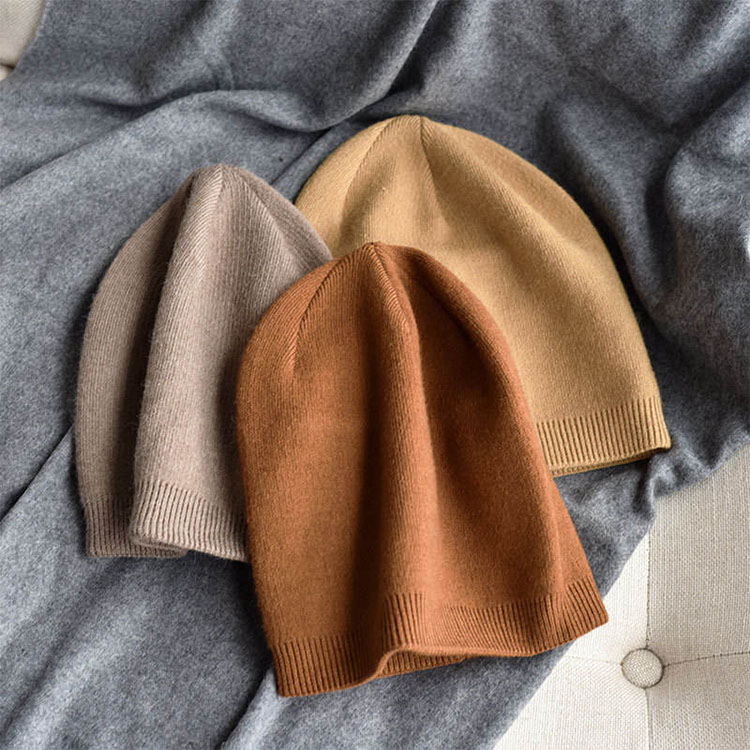
A custom hat manufacturer is a factory or factory-managed production partner that develops, samples, decorates, inspects, packs, and ships hats built to a brand’s specifications, including fabric, shape, logo method, trims, labels, and packaging, rather than simply reselling blank caps with limited decoration options.
In plain English, they should help you control product, not just print a logo on something generic. If they cannot explain spec control, sample revision, and bulk inspection, they are probably not the partner you want.
A factory usually controls at least part of production and can answer direct questions about machinery, sampling flow, inspection checkpoints, decoration methods, material behavior, and packing standards, while a trading company often manages communication and sourcing but may not control the shop floor, timelines, or subcontracting with the same depth.
I am not anti-trader. Some are excellent. But I never accept mystery ownership of the process. Ask who makes the sample, who runs bulk, and who signs off final inspection.
A reasonable MOQ is the lowest order quantity that still allows stable material sourcing, efficient production, and acceptable unit economics for your exact hat style, decoration method, and packaging spec, which means there is no universal number that makes sense across snapbacks, beanies, trucker hats, or mixed-style collections.
If a factory quotes a low MOQ, ask what gets simplified to make that possible. Sometimes the answer is helpful. Sometimes it is the start of your margin problem.
Before bulk production, you should approve the final sample, measurement tolerances, fabric and color references, logo method and placement, label content, packaging details, carton marks, shipping method, and written notes covering every visible or functional detail that could create a dispute later.
I would also lock the timeline in stages: sample revision date, production start date, inspection date, and ship date. Dates keep people honest.
Bulk custom hat production usually takes as long as the combined schedule for material readiness, sample approval, line booking, sewing, decoration, inspection, packing, and freight transit, which means the factory lead time is only one part of the calendar and often not the part that hurts you most.
That is why smart buyers work backward from the in-stock date, not forward from today.
Do this now.
If you are serious about finding the right custom hat manufacturer for your brand, send one clean inquiry instead of ten vague ones. Use the design support page and the contact page as your starting point, then include these five items in the first message: your logo file, reference images, target MOQ, target retail price, and target in-stock date.
Then ask for four written answers before you pay for sampling: which material is recommended and why, which logo method is recommended and why, what the quality checkpoints are, and which shipping route they would use for your deadline. That single exchange will tell you whether you are dealing with a real custom hat manufacturer or just a smooth sales script.
Copyright© 2026 Hat Manufacturer. All Rights Reserved.
